PackagingLeakTestVIPTelegramAccessUnveiledKeyInsights
A single packaging leak can trigger a chain reaction—financial losses, regulatory backlash, or even life-threatening risks. In industries where product integrity is non-negotiable, the VIP (Vacuum Integrity Packaging) leak test stands as a critical gatekeeper, ensuring hermetic seals that protect pharmaceuticals from contamination, electronics from moisture damage, and aerospace components from catastrophic failures. Yet, despite its pivotal role, many manufacturers still grapple with outdated testing methods, missed defects, and the hidden costs of undetected leaks—costs that often exceed the price of the most advanced VIP systems.
The stakes are higher than ever, with global regulatory bodies enforcing stricter thresholds for leak detection, from the FDA’s zero-tolerance policies for sterile packaging to ISO standards mandating sub-ppm sensitivity in vacuum-sealed products. Meanwhile, innovations like AI-driven sensors and IoT-enabled real-time monitoring are reshaping how companies approach leak testing, turning a once labor-intensive process into a seamless, data-driven operation. But with a flood of information—ranging from basic pressure decay tests to cutting-edge laser-based detection—businesses risk investing in the wrong technology without fully understanding its capabilities. This guide cuts through the noise, dissecting the science, the systems, and the strategic advantages of VIP leak testing, while exposing the real-world consequences when it fails.
Understanding Packaging Leak Test Basics and Its Critical Role in Industry
Packaging integrity is the silent guardian of product safety, efficacy, and market trust. A leak—whether microscopic or catastrophic—can compromise entire supply chains, trigger regulatory backlash, or even endanger human lives. Packaging leak testing serves as a critical quality control measure, ensuring that containers maintain their protective properties across manufacturing, distribution, and consumer use. This process identifies vulnerabilities that could lead to contamination, spoilage, or failure under pressure, temperature, or mechanical stress. From sterile pharmaceutical vials to pressurized aerospace fuel tanks, the principles of leak detection vary by industry, but the stakes remain universally high: a single undetected leak can cost millions in recalls, legal penalties, and lost revenue.
Leak testing is not a one-size-fits-all solution. It encompasses a spectrum of detection methods tailored to the sensitivity required by the product and its intended environment. Gross leaks—visible failures like burst seams or cracked seals—are the most obvious, but microleaks, measured in parts per million (ppm), pose a far greater risk in high-precision industries. Vacuum leaks, common in food packaging or medical devices, occur when external air infiltrates a sealed environment, altering product composition or sterility. Understanding these distinctions is essential for selecting the right test method, as each technique balances cost, speed, and detection limits to meet industry-specific demands.

Fundamental Principles of Packaging Leak Testing
Leak testing operates on the principle of pressure differential or tracer gas detection, where a sealed package is subjected to controlled conditions to identify deviations from expected performance. The core mechanisms include: - Pressure Decay: Monitoring the loss of internal pressure over time to detect leaks. - Pressure Increase: Observing external pressure intrusion into a vacuum-sealed package. - Tracer Gas Analysis: Using gases like helium or hydrogen to trace leaks via mass spectrometry or other detection tools. - Bubble Emission: Submerging packages in water to visually identify air bubbles escaping from leaks.
The sensitivity of these methods varies widely. For instance, helium leak detection can identify leaks as small as 1 × 10⁻⁹ mbar·L/s, suitable for aerospace components, while bubble emission tests are limited to gross leaks detectable by the naked eye. The choice of method depends on the leak rate tolerance of the product, defined by industry standards or internal quality benchmarks. For example, a pharmaceutical vial may require a leak rate below 1 × 10⁻⁶ mbar·L/s to prevent microbial ingress, whereas a beverage can might only need to withstand a 10 mbar pressure drop over 24 hours.
Table of Contents
- Understanding Packaging Leak Test Basics and Its Critical Role in Industry
- Fundamental Principles of Packaging Leak Testing
- Industries Most Reliant on Leak Testing and Associated Risks
- Comparison of Common Leak Test Methods
- Advanced Leak Test Technologies: VIP Features and How They Work
- Workflow of a VIP Leak Test System: Step-by-Step Process
- Technical Breakdown of VIP Leak Detection Sensors
Leak Rate Tolerance Definition: The maximum acceptable rate at which a package can lose or gain pressure without compromising product integrity, typically measured in mbar·L/s (millibar-liters per second) or ppm (parts per million).
The physical properties of the package—such as material permeability, seal integrity, and structural resilience—also influence leak testing outcomes. Flexible packaging (e.g., pouches) may require dynamic testing under stress, while rigid containers (e.g., glass vials) can be evaluated via static pressure hold tests. Environmental factors like temperature and humidity further complicate testing, as materials may expand or contract, altering leak paths. For instance, polyethylene terephthalate (PET) bottles used in carbonated beverages must withstand internal pressures of 6–9 bar without leaking, a challenge exacerbated by thermal fluctuations during transport.
Industries Most Reliant on Leak Testing and Associated Risks
Leak testing is a non-negotiable requirement in industries where product failure directly impacts safety, compliance, or revenue. The risks vary by sector, from contamination in pharmaceuticals to explosion hazards in aerospace. Below are the key industries and their specific vulnerabilities:
-
Pharmaceuticals and Medical Devices
Leaks in sterile packaging (e.g., syringes, IV bags) introduce pathogens, rendering products unsafe for use. The FDA’s Container Closure Integrity Testing (CCIT) mandates leak detection to prevent pyrogen contamination or drug degradation. A single compromised batch can lead to millions in recalls, as seen with Johnson & Johnson’s 2010 Tylenol recall, where packaging defects led to 100+ hospitalizations and a $50 million settlement.
- Risk: Microbial ingress, drug potency loss, regulatory rejection.
- Critical Leak Rate: Typically ≤1 × 10⁻⁶ mbar·L/s for parenteral drugs.
- Regulatory Standards: ISO 11623, USP <1207> (Container Closure Integrity).
-
Food and Beverage
Leaks in packaged foods (e.g., vacuum-sealed meats, canned goods) accelerate spoilage due to oxygen ingress or moisture loss, while carbonated beverages face pressure loss, leading to flat products. The 2015 Chipotle E. coli outbreak, linked to contaminated packaging, resulted in $25 million in losses and brand reputation damage. For ready-to-eat meals, leaks can introduce Listeria, a pathogen with a 10% mortality rate.
- Risk: Foodborne illness, shelf-life reduction, consumer lawsuits.
- Critical Leak Rate: ≤0.1 mbar/day for modified atmosphere packaging (MAP).
- Regulatory Standards: FDA CFR 211.132, ISO 22000 (Food Safety Management).
-
Aerospace and Defense
Leaks in fuel tanks, hydraulic lines, or oxygen systems can cause catastrophic failures. The 1986 Challenger disaster was partly attributed to O-ring seal failures in solid rocket boosters, a flaw detectable via helium leak testing. Modern aircraft rely on sealed avionics and pressure vessels, where even a 1 × 10⁻⁸ mbar·L/s leak can disrupt critical systems.
- Risk: System failure, mid-flight emergencies, mission aborts.
- Critical Leak Rate: ≤1 × 10⁻⁹ mbar·L/s for critical components.
- Regulatory Standards: MIL-STD-883 (Method 1014), NASA’s Leak Test Requirements.
-
Electronics and Semiconductors
Moisture-sensitive devices (MSDs) like microchips must be protected from humidity ingress, which causes corrosion and failure. The 2011 Fukushima disaster exposed vulnerabilities in sealed electronic enclosures, where leaks led to short circuits in backup power systems. Even a 0.1% humidity leak can render a $1,000 chip unusable.
- Risk: Device malfunction, manufacturing defects, supply chain delays.
- Critical Leak Rate: ≤0.001 g/m²/day for moisture barriers.
- Regulatory Standards: JEDEC J-STD-033 (Moisture Sensitivity Levels).
-
Chemicals and Industrial Gases
Leaks in hazardous material containers (e.g., chlorine, ammonia) pose immediate safety threats. The 2013 Bhopal gas tragedy, though primarily a process failure, highlighted the need for tamper-evident and leak-proof packaging. Industrial gases like helium or argon require ultra-low leak rates to maintain purity, as even 10 ppm contamination can ruin high-tech applications.
- Risk: Toxic exposure, environmental spills, equipment damage.
- Critical Leak Rate: ≤1 × 10⁻⁵ mbar·L/s for high-purity gases.
- Regulatory Standards: OSHA 1910.119 (Process Safety Management), ISO 9809 (Gas Cylinders).
Comparison of Common Leak Test Methods
Selecting the right leak test method depends on detection sensitivity, cost, and industry requirements. Below is a comparative analysis of the most
Advanced Leak Test Technologies: VIP Features and How They Work
The evolution of leak testing in industrial packaging has transitioned from rudimentary pressure checks to sophisticated Vacuum-Integrity-Packaging (VIP) systems, now integrating cutting-edge sensors, automation, and AI-driven analytics. VIP technologies enhance detection precision, reduce false positives, and enable real-time monitoring, making them indispensable in sectors like pharmaceuticals, food safety, aerospace, and electronics. These systems leverage vacuum-based principles to identify even microscopic defects, ensuring product integrity before distribution. Below is a structured breakdown of VIP workflows, sensor technologies, and emerging innovations reshaping leak testing standards.
Workflow of a VIP Leak Test System: Step-by-Step Process
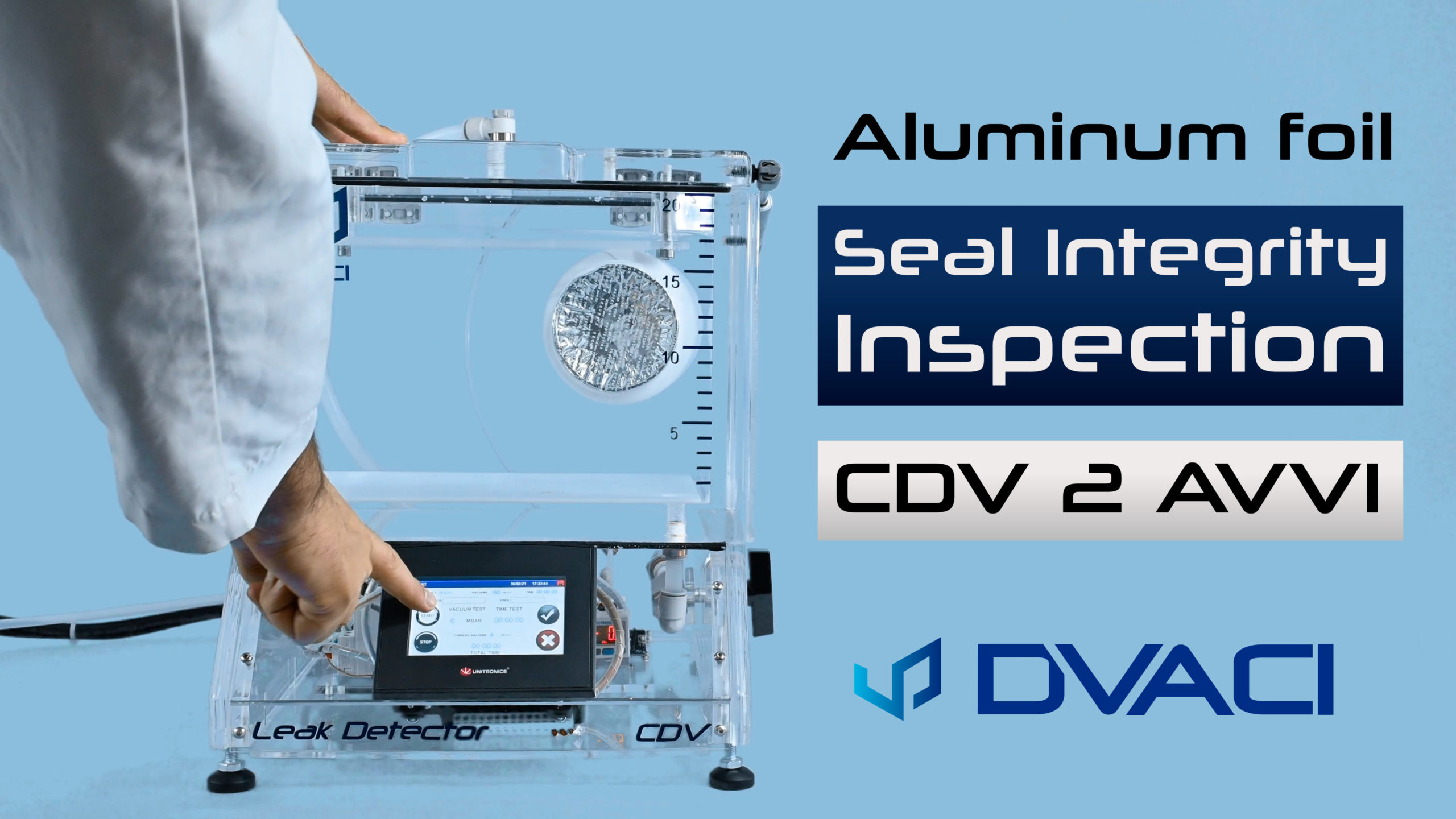
A VIP leak test system operates through a meticulously orchestrated sequence of stages, balancing precision with efficiency. The workflow begins with pre-test preparation, where environmental and sample conditions are standardized to eliminate variables. This is followed by vacuum chamber operation, where the test specimen is subjected to controlled pressure differentials to simulate real-world stress. Sensor calibration ensures accuracy, while data acquisition captures anomalies in real time. The system then transitions between automated (high-throughput) and manual (customized) modes, depending on production demands. Below is a visual flowchart representation of the process:
1. Pre-Test Preparation
Leave a Comment
Comments are moderated before appearing. The data you submit is processed according to the Privacy Policy of Aamipark.