roof leaks and mold causes health risks join VIP Telegram
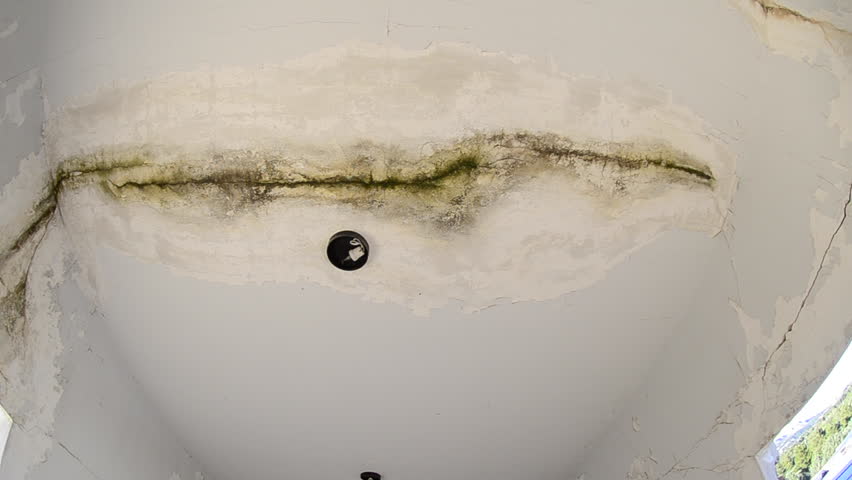
Every homeowner dreads the sight of water stains creeping down ceilings or the unmistakable musty odor seeping from attics—early warnings of roof leaks that silently invite mold to thrive. Behind these subtle signs lies a chain reaction triggered by moisture retention in roofing materials, where even minor cracks or clogged gutters can turn into breeding grounds for harmful fungi like Stachybotrys, commonly known as black mold. Without intervention, what begins as a structural nuisance can escalate into a health crisis, particularly in regions prone to seasonal extremes like Florida’s relentless humidity or the Pacific Northwest’s damp winters.
Understanding the science behind this progression is critical, as mold colonization doesn’t wait for visible damage to take root. A damaged shingle or corroded flashing can initiate the process within hours, while hidden risks like ice dams or poor ventilation prolong moisture exposure, degrading insulation and rafters before the problem surfaces. The consequences extend beyond cosmetic repairs, as certain mold species release mycotoxins linked to respiratory illnesses, neurological symptoms, and weakened immune responses—especially in children, the elderly, and those with pre-existing conditions. This guide dissects the step-by-step evolution from leak to infestation, equipping homeowners with actionable insights to detect, mitigate, and prevent the dual threat of structural decay and health hazards.

Understanding Roof Leaks and Their Immediate Impact on Mold Growth: The Scientific and Structural Breakdown

Water infiltration from roof leaks triggers a cascade of biological and structural degradation, with mold colonization as one of the most pervasive consequences. The process begins when moisture penetrates roofing materials—such as asphalt shingles, treated wood, or metal panels—creating an ideal environment for microbial growth. Unlike surface-level dampness, which may evaporate under optimal conditions, roof leaks introduce persistent moisture retention within porous substrates, where organic matter (e.g., cellulose in wood or drywall) provides nutrients for fungal spores already present in the air or dormant within building materials. Studies from the Journal of Occupational and Environmental Hygiene highlight that relative humidity exceeding 60% for prolonged periods (typically 24–48 hours) significantly accelerates mold spore germination, particularly in temperature ranges of 20–30°C (68–86°F), common in residential attics and ceilings.
The interplay between material composition and moisture dynamics determines the speed and severity of mold proliferation. For instance, asphalt shingles absorb water through granular loss or cracked seals, while wood decking swells and traps moisture in cellular structures, creating microclimates conducive to Serpula lacrymans (dry rot) or Stachybotrys chartarum (black mold). Metal roofs, though less prone to absorption, can corrode and accumulate water in hidden crevices, fostering Aspergillus or Penicillium colonies. The National Roofing Contractors Association (NRCA) reports that 90% of roof leaks originate from improper flashing, damaged shingles, or clogged gutters, each contributing uniquely to indoor mold outbreaks.
Scientific Process of Mold Colonization Following Roof Leaks
The transition from a roof leak to visible mold follows a multi-stage biological and chemical process, governed by moisture availability, substrate composition, and spore concentration. Below is the sequential breakdown:
1. Moisture Infiltration and Substrate Saturation Water from leaks permeates roofing materials, reducing their fiber saturation point (FSP), the threshold beyond which water becomes freely available for microbial metabolism. In asphalt shingles, this occurs within 6–12 hours of sustained exposure, while wood substrates may take 24–72 hours due to capillary action. The U.S. Environmental Protection Agency (EPA) notes that porous materials retain moisture for weeks, even after the leak is repaired, unless actively dried.
Table of Contents
- Understanding Roof Leaks and Their Immediate Impact on Mold Growth: The Scientific and Structural Breakdown
- Scientific Process of Mold Colonization Following Roof Leaks
- Common Roof Leak Sources and Their Correlation with Mold Outbreaks
- Early Signs of Roof Leaks: Observational Indicators Before Visible Mold
- Health Risks from Roof Leak-Induced Mold Exposure and Strategic Mitigation
- Specific Health Symptoms Linked to Mold Exposure from Roof Leaks
- Ranked List of Mold Types in Water-Damaged Roofs and Their Toxicity Levels
- Preventive Measures to Minimize Health Risks Before Mold Spreads
2. Activation of Dormant Spores Airborne fungal spores (e.g., Cladosporium, Alternaria) land on damp surfaces and germinate within 12–36 hours if conditions are favorable. The spore-to-mycelium transition is accelerated by organic nutrients (e.g., lignin in wood, gypsum in drywall) and lack of UV light in concealed spaces like attics or wall cavities. A study in Applied and Environmental Microbiology found that spore germination rates increase by 400% in environments with >70% humidity.
3. Mycelial Growth and Sporulation Germinated spores develop hyphae (filamentous structures) that penetrate substrates, breaking down organic matter into simpler compounds. This phase is visible as discolored patches (e.g., black, green, or white) and emits a musty odor from volatile organic compounds (VOCs) like geosmin. Stachybotrys chartarum, for example, thrives in cellulose-rich materials and produces trichothecene mycotoxins, which pose respiratory risks.
4. Structural Degradation and Secondary Damage Mold enzymes (e.g., cellulases, hemicellulases) weaken structural integrity, leading to wood rot, drywall delamination, or insulation collapse. The American Society for Testing and Materials (ASTM) classifies mold-induced damage as Category 3 (black water intrusion), requiring professional remediation due to health and safety risks.
Common Roof Leak Sources and Their Correlation with Mold Outbreaks
Roof leaks rarely occur in isolation; they stem from specific vulnerabilities in roofing systems, each with distinct mold proliferation patterns. Below is a comparative analysis of leak sources, affected materials, and typical mold species:
Key Insight: Mold species colonization is influenced by substrate type, moisture duration, and temperature. For example, Stachybotrys prefers cellulose-rich, high-nitrogen environments, while Aspergillus thrives in dry but damp conditions with organic debris.
- Damaged or Missing Shingles Leak Source: Wind uplift, hail impact, or aging granules (common in asphalt shingles). Mold Correlation: Alternaria and Cladosporium dominate due to exposed felt paper beneath shingles, which absorbs water rapidly. Attic insulation (fiberglass or cellulose) becomes a nutrient source for bacterial growth (e.g., Pseudomonas), exacerbating respiratory issues. Affected Areas: Ceiling drywall (water stains), attic rafters (structural rot), and HVAC ducts (secondary contamination).
- Faulty or Corroded Flashing Leak Source: Improper sealing around chimneys, skylights, or vents, often due to aluminum or rubber deterioration. Mold Correlation: Aspergillus niger and Penicillium exploit metal corrosion byproducts (e.g., rust) as nutrients. Concealed leaks behind siding or brick veneer lead to hidden mold in wall cavities, detectable only via thermal imaging or moisture meters. Affected Areas: Interior walls (peeling paint), electrical boxes (short-circuit risks), and subflooring (squeaking or warping).
- Clogged or Improperly Installed Gutters Leak Source: Debris accumulation (leaves, branches) or downspout misalignment, causing overflow or ice dams in winter. Mold Correlation: Fusarium and Aureobasidium proliferate in saturated soffits and fascia boards, while attic ventilation blocks trap humidity, fostering Chaetomium (a wood-decay fungus). Affected Areas: Exterior siding (staining), basement walls (rising damp), and HVAC systems (moldy coils).
- Skylight and Valley Leaks Leak Source: Sealant failure around skylights or poorly aligned valleys (where two roof planes meet). Mold Correlation: Stachybotrys and Memnoniella exploit direct sunlight exposure, which increases UV-induced spore production. Valley leaks create chronic dampness in plywood sheathing, accelerating rot. Affected Areas: Ceiling tiles (dropping), crown molding (discoloration), and upper-floor joists (structural compromise).
- Roof Penetrations (Vents, Pipes, Antennas) Leak Source: Caulking degradation or improper flashing around roof penetrations. Mold Correlation: Trichoderma and Paecilomyces thrive in warm, enclosed spaces near plumbing vents or electrical conduits, often emitting ammonia-like odors from organic breakdown. Affected Areas: Bathroom ceilings (moldy grout), kitchen exhaust fans (moldy ducts), and attic insulation (loss of R-value).
Early Signs of Roof Leaks: Observational Indicators Before Visible Mold
Mold growth is often preceded by subtle yet critical indicators of roof leaks, which homeowners or inspectors must recognize to mitigate damage. These signs are categorized into structural warnings (indicating hidden leaks) and cosmetic clues (surface-level moisture damage). Early intervention can reduce remediation costs by up to 70% (per Insurance Institute for Business & Home Safety).
Critical Threshold: Mold becomes visibly detectable within 7–14 days in ideal conditions (high humidity, warm temperatures), but structural damage (e.g., wood rot) may begin within 24–48 hours of sustained moisture exposure.
-
Structural Warnings (Hidden Leaks)
-
Ceiling Sagging or Bowing
Indicates prolonged water saturation in joists or rafters, often due to attic leaks from
Health Risks from Roof Leak-Induced Mold Exposure and Strategic Mitigation
Roof leaks create an invisible yet critical pathway for mold proliferation, transforming structural vulnerabilities into public health hazards. When water infiltrates ceilings, walls, or attics, it fosters ideal conditions for fungal growth—typically within 24 to 48 hours—exposing occupants to mycotoxins, volatile organic compounds (VOCs), and allergens. The health consequences vary widely, from immediate allergic reactions to chronic, systemic illnesses, particularly in populations with compromised immune systems. Understanding these risks allows homeowners to implement targeted mitigation strategies before mold colonization escalates into a remediation crisis. This section explores the specific health symptoms tied to mold exposure, ranks common roof leak-associated fungi by toxicity, and outlines preventive, immediate, and long-term solutions, including professional intervention thresholds and legal considerations.Specific Health Symptoms Linked to Mold Exposure from Roof Leaks
Mold spores released from water-damaged roofs trigger a spectrum of health issues, categorized by exposure duration and individual susceptibility. Acute symptoms—such as sneezing, nasal congestion, and skin irritation—often mimic seasonal allergies but persist even in mold-free environments, a condition known as Building-Related Illness (BRI). Chronic exposure, however, leads to severe respiratory diseases, neurological disorders, and immune dysfunction, particularly in vulnerable groups. Vulnerable Populations and Corresponding Risks Children, elderly individuals, and immunocompromised persons face heightened risks due to underdeveloped or weakened immune responses. For example: - Infants and children experience asthma exacerbation (studies show a 30–50% higher risk in homes with mold) and recurrent ear infections from Aspergillus spores.
- Elderly adults with pre-existing conditions like COPD or cardiovascular disease suffer increased hospitalizations due to mold-induced inflammation, which elevates blood pressure and triggers arrhythmias.
- Immunocompromised individuals (e.g., HIV/AIDS patients, chemotherapy recipients) risk invasive fungal infections, such as aspergillosis, where spores invade lungs, sinuses, or even the brain. Neurological and Systemic Effects Emerging research links mold exposure to cognitive decline and neurodegenerative diseases. Mycotoxins like ochratoxin A (produced by Penicillium and Aspergillus) cross the blood-brain barrier, potentially contributing to Parkinson’s disease and Alzheimer’s. Additionally, chronic fatigue syndrome and fibromyalgia have been associated with prolonged exposure to Stachybotrys chartarum (black mold), though mechanisms remain debated.
- Severe respiratory distress (hemorrhaging lungs in extreme cases)
- Neurological symptoms (headaches, memory loss)
- Skin rashes and irritation
- Immunosuppression
- Increased risk of chronic obstructive pulmonary disease (COPD)
- Potential link to neurodegenerative diseases
- Asthma attacks and bronchitis
- Gastrointestinal distress (nausea, vomiting)
- Eye and throat irritation
- Liver and kidney damage
- Chronic sinusitis
- Weakened immune response
- Allergic bronchopulmonary aspergillosis (ABPA)
- Hypersensitivity pneumonitis
- Invasive aspergillosis (life-threatening in immunocompromised)
- Lung fibrosis
- Increased cancer risk (aflatoxins are carcinogenic)
- Chronic fatigue and depression
- Respiratory infections
- Skin and eye irritation
- Digestive issues
- Kidney damage
- Neurological effects (tremors, dizziness)
- Weakened immune function
- Allergic reactions
- Skin infections (dermatophytosis)
- Respiratory irritation
- Neural tube defects in fetuses (if pregnant individuals exposed)
- Esophageal cancer risk (from fumonisins)
- Compromised immune response
- Allergic rhinitis
- Asthma symptoms
- Conjunctivitis
- Chronic sinusitis
- Exacerbation of pre-existing respiratory conditions
Ranked List of Mold Types in Water-Damaged Roofs and Their Toxicity Levels
Not all molds pose equal health threats. The toxicity, allergenic potential, and long-term impacts vary by species. Below is a ranked list of molds commonly found in roof leaks, ordered by severity:
Key Insight:Rank Mold Species Common Locations Toxicity Level Health Risks Long-Term Impacts 1 Stachybotrys chartarum (Black Mold) Cellulose-rich materials (insulation, drywall, attic wood) High (Mycotoxins: trichothecenes) 2 Chaetomium (Copper-colored) Water-damaged drywall, insulation, HVAC systems High (Mycotoxins: chaetoglobosins) 3 Aspergillus (Greenish-black) Damp wood, HVAC ducts, attic vents Moderate-High (Mycotoxins: aflatoxins, gliotoxin) 4 Penicillium (Blue-green) House paint, wallpaper, water-damaged ceilings Moderate (Mycotoxins: ochratoxin A, patulin) 5 Fusarium (Pink or purple) Insulation, drywall, carpet padding Low-Moderate (Mycotoxins: fumonisins) 6 Cladosporium (Green or brown) Outdoor air infiltrating via roof leaks, fabric, wood Low (Allergenic, not typically toxigenic) Stachybotrys and Chaetomium pose the highest risks due to their mycotoxin production, but even low-toxicity molds like Cladosporium can trigger severe allergic reactions in sensitive individuals. Visible mold does not always indicate toxicity; some species (e.g., Penicillium) may be hidden behind surfaces yet produce harmful compounds.
Preventive Measures to Minimize Health Risks Before Mold Spreads
Proactive strategies can prevent mold growth before it becomes entrenched. TheseThe battle against roof leak-induced mold demands vigilance, proactive measures, and timely intervention before hidden damage spirals into costly repairs or irreversible health effects. From recognizing the early signs—water stains, musty odors, or discolored drywall—to implementing preventive strategies like dehumidifiers, improved airflow, or professional inspections, every action taken can disrupt the mold lifecycle. Whether addressing a skylight leak in a humid climate or combating ice dam-related moisture in colder regions, the key lies in understanding the specific risks tied to your roof’s vulnerabilities and the mold species likely to exploit them. By leveraging scientific insights, practical checklists, and safety protocols, homeowners can transform potential disasters into manageable challenges, ensuring their homes remain both structurally sound and safe for all occupants.
-
Ceiling Sagging or Bowing
Indicates prolonged water saturation in joists or rafters, often due to attic leaks from
Leave a Comment
Comments are moderated before appearing. The data you submit is processed according to the Privacy Policy of Aamipark.