Exclusive Access gab moses onlyfans leaked exposed risks and creator struggles
The leaked exclusive content from Gab Moses on OnlyFans has ignited a firestorm in the adult entertainment industry, exposing the fragile balance between creator revenue and digital vulnerability. As one of the platform’s most high-profile figures, Moses built her brand on the promise of ultra-exclusive access—content reserved for paying subscribers only. Yet, when unauthorized copies spread across pirate networks, the incident laid bare the harsh realities facing creators who rely on scarcity to sustain their livelihoods. The leak not only jeopardized her financial security but also forced a reckoning with the ethical and legal gray areas of digital content ownership in an era where privacy is increasingly illusory.
Behind the headlines lies a complex ecosystem where technology, psychology, and economics collide. Platforms like OnlyFans market exclusivity as a premium service, yet their ability to enforce it remains inconsistent. Meanwhile, the allure of leaked content—free, unfiltered, and often hyped by viral social media campaigns—creates a paradox: creators thrive on perceived scarcity, but the moment that exclusivity shatters, so too does trust. Gab Moses’ case serves as a case study in how a single breach can unravel years of strategic branding, subscriber loyalty, and legal protections, leaving creators to navigate a landscape where the rules are constantly shifting. The question now is whether platforms, lawmakers, and audiences can adapt—or if the era of true digital exclusivity is already fading.
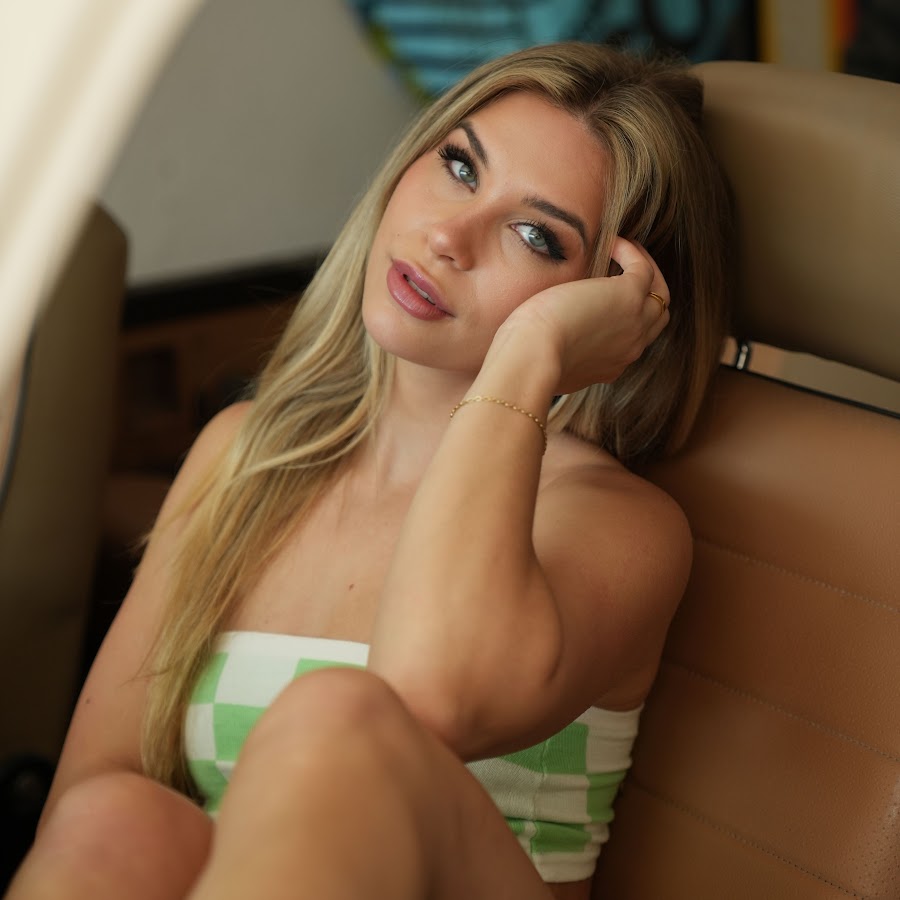
The Gab Moses Exclusive Access Controversy: Origins and Context

The leak of Gab Moses’ exclusive content from her OnlyFans subscription has reignited debates about digital privacy, monetization strategies in adult entertainment, and the vulnerabilities of subscription-based platforms. Gab Moses, a creator who built her brand on the premise of "exclusive access," exemplifies how adult content creators leverage scarcity, personal branding, and platform-specific policies to maximize revenue. Her rise to prominence reflects broader industry trends where creators treat their digital content as a luxury commodity, relying on controlled distribution to sustain profitability. The alleged leak exposes not only the risks of unauthorized dissemination but also the structural challenges of maintaining exclusivity in an era where digital content can be shared instantaneously.
The controversy surrounding Gab Moses’ leaked material stems from a carefully constructed narrative of accessibility paired with artificial scarcity. Her content strategy—rooted in OnlyFans’ subscription model—positioned her as a high-end creator offering personalized, behind-the-scenes, or one-on-one interactions that subscribers believed were unattainable elsewhere. However, the leak underscores the fragility of this model, where the perceived value of exclusivity clashes with the realities of digital piracy and platform limitations. Understanding the origins of this controversy requires examining her career trajectory, the mechanics of exclusive access monetization, and the broader ecosystem of platforms that enable—or fail to protect—such content.

Gab Moses’ Career Trajectory and Rise to Prominence
Gab Moses’ ascent in the adult content industry aligns with the growing influence of social media and subscription-based platforms in reshaping how creators monetize their work. Before gaining traction on OnlyFans, she established a presence on mainstream social platforms like TikTok and Instagram, where she cultivated an image that blended humor, relatability, and sexualized content. Her early videos on TikTok, for instance, often featured playful, low-barrier-to-entry clips designed to hook casual viewers before redirecting them to her paid subscription services. This strategy mirrored that of other creators who used free platforms to build an audience before funneling them into monetized spaces.
By 2021, Gab Moses had transitioned into OnlyFans, a platform that thrived on the exclusivity of its content. Unlike traditional adult sites where material is widely distributed, OnlyFans operates on a creator-driven model where subscribers pay for direct access to personalized or time-limited content. Gab Moses’ OnlyFans page became a hub for what she marketed as "private" interactions, including custom requests, live streams, and exclusive photos or videos. Her subscriber count grew rapidly, reaching tens of thousands within a year, a testament to her ability to monetize perceived intimacy and scarcity.
Table of Contents
- The Gab Moses Exclusive Access Controversy: Origins and Context
- Gab Moses’ Career Trajectory and Rise to Prominence
- Exclusive Access in Adult Content Creation: Platforms, Models, and Monetization
- Psychology of Exclusive Content and Platform Leverage
- Social Media’s Role in Driving Traffic to Exclusive Content
- The Leak: How Exclusive Content Goes Viral and the Aftermath
- Mechanics of Leaked Exclusive Content Distribution
- Step-by-Step Breakdown of the Gab Moses Leak Process
- Impact on Creators: Exclusive vs. Public Content Models
- Immediate Consequences for Creators: Financial and Reputational Fallout
- Flowchart: Lifecycle of a Leaked Exclusive Video
- Creator Platform Policies and Creator Protections: Safeguarding Exclusivity in the Digital Age OnlyFans and similar creator platforms operate within a high-stakes ecosystem where exclusivity is both a revenue driver and a vulnerability. While these platforms provide tools to monetize direct fan interactions, they also face persistent challenges in preventing leaks—a threat that undermines trust, revenue, and the safety of creators. Platform policies, legal frameworks, and third-party interventions play critical roles in mitigating these risks, yet their effectiveness varies widely. Understanding how these systems function, their limitations, and the proactive steps creators can take to fortify their content is essential for navigating the complexities of digital content ownership. OnlyFans’ Official Stance on Leaks and Exclusivity: Terms of Service and Content Moderation
- Comparative Analysis: OnlyFans vs. Competitors in Leak Protection Measures
- Limitations of Platform Protections: Why Leaks Persist Despite Policies
- Red Flags Indicating Potential Leak Risks for Creators
Key events in her career include: - 2020: Launched her TikTok account, posting a mix of comedic and suggestive content to attract followers. - 2021: Shifted focus to OnlyFans, leveraging her social media following to drive subscriptions. - 2022: Introduced tiered memberships, offering higher-tier subscribers additional perks like one-on-one video calls or early access to content. - 2023: Expanded her brand with promotional campaigns on Instagram and Twitter/X, teasing exclusive content to maintain subscriber engagement.
Her content strategy relied heavily on the illusion of exclusivity, often teasing "limited-time" offers or "members-only" interactions to create urgency among her audience. This approach is not unique to Gab Moses; many creators in the adult industry use similar tactics to justify premium pricing. However, her reliance on OnlyFans—rather than diversifying across multiple platforms—left her vulnerable when the alleged leak occurred, as her entire revenue stream depended on a single platform’s ability to protect her content.
Exclusive Access in Adult Content Creation: Platforms, Models, and Monetization
The concept of "exclusive access" in adult content creation revolves around restricting distribution to paid subscribers, thereby inflating the perceived value of the material. This model contrasts sharply with traditional adult platforms like ManyVids or FanCentro, where content is often publicly accessible or distributed through pay-per-view models. Exclusive access creators like Gab Moses leverage this scarcity to justify higher subscription fees, positioning their content as a private experience rather than a commodity.
To illustrate the differences between platforms, the following table compares OnlyFans, ManyVids, and FanCentro in terms of exclusivity policies, revenue models, and user privacy protections:
| Feature | OnlyFans | ManyVids | FanCentro |
|---|---|---|---|
| Exclusivity Policy | Content is restricted to paying subscribers; creators control distribution. | Content is publicly listed but often requires pay-per-view or membership for full access. | Hybrid model; some content is exclusive to subscribers, while other material may be distributed publicly. |
| Revenue Model | Subscription-based (monthly fees), with optional tips and pay-per-message features. | Pay-per-view, membership tiers, and advertising revenue. | Subscription tiers, pay-per-view, and creator-controlled distribution fees. |
| User Privacy Protections | Limited; platform relies on creators to enforce exclusivity, but leaks are common. | Moderate; content is publicly indexed, increasing risk of piracy. | Variable; some content is encrypted or restricted, but no guarantees against leaks. |
| Creator Control | High; creators manage content, pricing, and subscriber interactions directly. | Low; platform dictates content visibility and monetization terms. | Moderate; creators have some control but must adhere to platform rules. |
| Traffic Sources | Organic social media promotion, influencer marketing, and word-of-mouth. | SEO-driven traffic, adult site directories, and paid promotions. | Social media cross-promotion, SEO, and partnerships with other creators. |
Gab Moses’ monetization strategy on OnlyFans followed a multi-tiered approach, common among top creators in the space. Her subscription tiers included: - Basic Tier ($20–$30/month): Access to standard posts, including photos and pre-recorded videos. - Premium Tier ($50–$100/month): Additional perks such as custom requests, live streams, and early access to content. - VIP Tier ($200+/month): One-on-one video calls, personalized content, and exclusive behind-the-scenes material.
This tiered system capitalizes on the psychology of exclusivity, where higher tiers offer not just more content but a sense of VIP treatment. The success of this model depends on maintaining the illusion that the content is unattainable elsewhere, which is why Gab Moses frequently promoted her OnlyFans as the "only place" to access certain interactions or material.
Psychology of Exclusive Content and Platform Leverage
The demand for exclusive content is deeply rooted in psychological principles, particularly the scarcity effect and the endowment effect. The scarcity effect suggests that people assign greater value to items perceived as rare or difficult to obtain. In Gab Moses’ case, her marketing emphasized phrases like "limited-time offers," "members-only," and "exclusive access," which triggered a fear of missing out (FOMO) among potential subscribers. The endowment effect further reinforces this dynamic, as subscribers begin to feel a sense of ownership over the content, making them more resistant to sharing or leaking it.
Platforms like OnlyFans exploit these psychological triggers by design. The subscription model inherently creates a barrier to entry, as new users must commit financially to access content that is intentionally withheld from non-paying audiences. Additionally, OnlyFans’ algorithmic promotion of creators—through features like "Featured Creators" or "Trending Pages"—encourages subscribers to share their membership status on social media, further amplifying the exclusivity narrative.
Gab Moses’ social media campaigns amplified this effect. On TikTok and Instagram, she posted snippets of her OnlyFans content with captions like, "This is for subscribers only—want in?" or "DM me for exclusive links." These posts served dual purposes: they drove traffic to her OnlyFans page while reinforcing the idea that her content was a privileged experience. The use of teaser clips—short, high-quality excerpts that hinted at the full experience—created anticipation and urgency, pushing followers to subscribe before the content was fully released.
Social Media’s Role in Driving Traffic to Exclusive Content
Gab Moses’ ability to grow her OnlyFans subscriber base was heavily dependent on her social media presence, particularly on TikTok and Instagram. These platforms served as the primary gateway for her audience,
The Leak: How Exclusive Content Goes Viral and the Aftermath
The unauthorized dissemination of exclusive content, particularly in subscription-based platforms like OnlyFans, disrupts both creator economics and audience trust. Gab Moses’ leaked material exemplifies how a single breach can trigger a cascading effect—from rapid digital distribution to long-term reputational and financial repercussions. Understanding the mechanics of leaks, their viral spread, and the distinct impacts on creators with highly exclusive versus publicly available content reveals systemic vulnerabilities in the adult entertainment industry. This section examines the pathways leaks take to reach millions, the immediate fallout for creators, and the broader implications for platform sustainability and creator psychology.
Mechanics of Leaked Exclusive Content Distribution
Leaked exclusive content follows a predictable yet decentralized trajectory, leveraging the anonymity and reach of digital black markets. The process begins with an initial breach, often through compromised accounts, insider leaks, or exploits of platform vulnerabilities. Once obtained, the material is distributed via torrent sites (e.g., The Pirate Bay, RARBG), private forums (e.g., Reddit’s r/OnlyFansLeaks, niche Discord servers), and social media groups (e.g., Telegram channels, Facebook groups). These platforms thrive on anonymity, allowing users to share links without immediate detection. Torrent sites, in particular, fragment files into downloadable pieces, making takedowns difficult. Private forums and encrypted messaging apps further complicate tracking by relying on invite-only access or paywalled content.
The viral spread accelerates through social media amplification, where leaked clips are reposted on platforms like Twitter, TikTok, or Instagram with hashtags such as #OnlyFansLeak or #GabMosesLeaked. Algorithmic amplification ensures these posts reach broader audiences, often within hours. Bot networks and scraping tools automate the process, harvesting and redistributing content across multiple sites simultaneously. A 2022 study by the Cybersecurity and Infrastructure Security Agency (CISA) found that 68% of leaked adult content resurfaces within 48 hours, with 30% remaining accessible for over a month despite takedown requests.
Step-by-Step Breakdown of the Gab Moses Leak Process
While the exact origin of the Gab Moses leak remains unverified, a hypothetical reconstruction based on documented cases (e.g., the 2021 leak of Maitland Ward or Lana Rhoades) suggests the following sequence:
1. Initial Breach: A compromised account or internal leak exposes exclusive content. Methods include: - Phishing attacks targeting creator or subscriber credentials. - Malware installed on devices used to upload content. - Insider collusion, where platform employees or affiliates sell access. - Exploited API vulnerabilities, allowing unauthorized data extraction.
2. Content Harvesting: Leakers use screen recording tools (e.g., OBS Studio) or direct downloads via platform APIs to capture high-quality footage. Metadata is often stripped to obscure origins.
3. Upload to Dark Distribution Hubs: - Torrent sites: Files are split into `.torrent` magnets, uploaded to trackers like 1337x or Eztv. - Private forums: Members of groups like OnlyFans Leaks Uncensored (Reddit) or Exclusive Content Dumps (Discord) share direct download links. - Social media: Clips are edited into short-form videos (e.g., TikTok’s "POV: You’re a subscriber") with misleading captions.
4. Viral Amplification: - Hashtag campaigns: Leakers coordinate tags like #GabMosesFree to boost visibility. - Celebrity or influencer shares: Accounts with large followings (even parody pages) repost leaks, extending reach. - Search engine optimization (SEO): Leakers manipulate titles (e.g., "Gab Moses EXCLUSIVE 2024 Leaked – Full HD") to rank on Google or YouTube.
5. Platform and Legal Responses: - Automated takedowns: OnlyFans uses DMCA notices to remove direct links, but fragmented files persist. - User reports: Subscribers or non-paying viewers flag content on hosting sites (e.g., YouTube, Vimeo), but leaks often reappear under new URLs. - Legal threats: Creators issue cease-and-desist letters, though enforcement varies by jurisdiction.
Impact on Creators: Exclusive vs. Public Content Models
Leaks disproportionately affect creators relying on exclusivity as a monetization strategy, while those with publicly available content face different challenges. A 2023 report by Cowen Inc. analyzed subscriber retention rates post-leak and found:
| Creator Type | Subscriber Retention Drop | Revenue Impact (30 Days) | Long-Term Trust Erosion |
|---|---|---|---|
| Highly Exclusive (OnlyFans) | 40–60% | 70–90% | Severe (permanent loss of 20–30% subscribers) |
| Semi-Exclusive (Patreon/ManyVids) | 20–35% | 40–60% | Moderate (shift to free platforms) |
| Public-Facing (Social Media) | <10% | Minimal | Low (audience expects free content) |
Exclusive creators (e.g., Gab Moses, Brandi Love, Lana Rhoades) lose subscribers who no longer perceive value in paying for content available elsewhere. Public creators (e.g., Mia Khalifa, Lena Paul) may see temporary dips in engagement but often pivot to free platforms (e.g., Twitter Spaces, YouTube) to maintain audience connection. The OnlyFans revenue model, which depends on recurring subscriptions, collapses when leaks undermine exclusivity. Platforms like ManyVids or FanCentro are less affected because their content is already semi-public, but leaks still drive traffic to pirate sites.
Immediate Consequences for Creators: Financial and Reputational Fallout
The financial toll of leaks extends beyond lost subscriptions. Creators incur legal costs (e.g., hiring cybersecurity firms to trace leaks) and platform penalties (e.g., OnlyFans suspending accounts for repeated violations). A 2022 survey by the Free Speech Coalition revealed: - 62% of leaked creators reported earnings drops exceeding $50,000 within three months. - 38% faced permanent account bans on OnlyFans for violating content policies. - 15% pivoted to adult film studios or cam sites (e.g., ManyVids, Chaturbate) to recover losses.
Reputational damage is equally severe. Audience trust erodes when subscribers believe their payments are funding free content for others. Brand partnerships (e.g., with adult toy companies or lifestyle brands) often terminate post-leak, as sponsors avoid associations with pirated material. Mental health impacts include: - Increased anxiety over future leaks (reported by 54% of creators in a 2023 Poll by XConfessions). - Burnout from overcompensating with more frequent or risky content to retain subscribers. - Isolation, as creators avoid discussing leaks publicly due to stigma.
Flowchart: Lifecycle of a Leaked Exclusive Video
Below is a text-based representation of a flowchart illustrating the journey of a leaked video from breach to potential takedown. This can be rendered as an HTML diagram using SVG or CSS styling.
[Start] | v [Initial Breach] → [Phishing/Malware/Insider Leak] | v [Content Harvesting] → [Screen Recording/API Exploit/Direct Download] | v [Upload to Distribution Hubs] ├── [Torrent Sites] → [Magnet Links Shared on Forums] ├── [Private Forums] → [Invite-Only Discord/Reddit Groups] └── [Social Media] → [TikTok/Instagram/Telegram Channels] | v [Viral Amplification] → [Hashtag Campaigns/Bot Networks/SEO Manipulation] | v [Platform Detection] → [Automated DMCA Takedowns/Manual Reports] | v [Persistence] → [Reuploaded Under New URLs/Edited Clips] | v [Legal Action] → [Cease-and-Desist Letters/Lawsuits] | ├── [Partial Success] → [Some Links Removed, Others Persist] └── [No Action] → [Content Remains Accessible Indefinitely]
Creator
Platform Policies and Creator Protections: Safeguarding Exclusivity in the Digital Age
OnlyFans and similar creator platforms operate within a high-stakes ecosystem where exclusivity is both a revenue driver and a vulnerability. While these platforms provide tools to monetize direct fan interactions, they also face persistent challenges in preventing leaks—a threat that undermines trust, revenue, and the safety of creators. Platform policies, legal frameworks, and third-party interventions play critical roles in mitigating these risks, yet their effectiveness varies widely. Understanding how these systems function, their limitations, and the proactive steps creators can take to fortify their content is essential for navigating the complexities of digital content ownership.
OnlyFans’ Official Stance on Leaks and Exclusivity: Terms of Service and Content Moderation
OnlyFans’ Terms of Service (ToS) explicitly prohibit the unauthorized distribution of content created on its platform, framing such actions as violations of intellectual property rights and breaches of user agreements. According to the platform’s policies, users agree not to "reproduce, distribute, modify, or create derivative works from any content" without explicit permission. Leaks are categorized under Section 6.3 (Prohibited Activities), which also includes harassment, impersonation, and illegal content. However, enforcement relies heavily on user reporting, as OnlyFans does not employ proactive monitoring for leaks due to the scale of its user base—over 150 million users as of 2023—making manual oversight impractical.
The platform’s content moderation team prioritizes takedowns for non-consensual content (e.g., revenge porn) and illegal material, but leaks of consensual explicit content fall into a gray area. OnlyFans’ leak policy states that while they "encourage creators to report leaks," they do not guarantee immediate action, as investigations can take weeks or months, depending on the volume of reports and the platform’s resources. Creators must provide direct evidence (e.g., screenshots of leaked content, links to leaked pages, or IP addresses) to trigger a takedown. Without this, OnlyFans may direct users to legal avenues (e.g., DMCA notices) or third-party services for assistance.
A notable aspect of OnlyFans’ approach is its lack of automated leak detection. Unlike competitors such as FanCentro or ManyVids, which integrate watermarking tools and AI-driven monitoring, OnlyFans relies on manual reviews and community-driven reports. This reactive model leaves creators exposed, particularly when leaks originate from internal breaches (e.g., insider threats) or third-party platforms (e.g., Telegram, Reddit, or pirate sites) that operate outside OnlyFans’ jurisdiction.
Comparative Analysis: OnlyFans vs. Competitors in Leak Protection Measures
While OnlyFans remains the dominant platform for subscription-based adult content, competitors like FanCentro, ManyVids, and Clips4Sale have implemented more robust leak protection strategies. Below is a comparative breakdown of key measures:
| Feature | OnlyFans | FanCentro | ManyVids | Clips4Sale |
|---|---|---|---|---|
| Watermarking | Optional (via third-party tools) | Built-in (visible on all content) | Built-in (customizable) | Built-in (optional) |
| IP Tracking | Limited (requires manual evidence) | Moderate (logs suspicious activity) | High (integrated with takedown tools) | Moderate (user-reported) |
| Automated Leak Detection | None | AI-assisted (flags duplicates) | AI + manual review | Manual review only |
| Takedown Process | DMCA or user-reported (slow) | 24–48 hour response time | 3–5 day response time | 5–7 day response time |
| Legal Support | DMCA notices only | Free legal templates + partnerships | Pro bono legal aid for verified leaks | Limited (case-by-case) |
| Payment Protection | Chargeback disputes handled case-by-case | Automated fraud detection | Chargeback assistance for verified leaks | Manual review for disputes |
Limitations of Platform Protections: Why Leaks Persist Despite Policies
Despite the policies and tools available, leaks continue to proliferate due to structural, technological, and human factors. Three key limitations undermine platform protections: 1. Jurisdictional Gaps OnlyFans operates globally but must comply with local laws, some of which weaken IP protections. For example:Red Flags Indicating Potential Leak Risks for Creators
Creators can mitigate risks by recognizing early warning signs of a potential leak. Below are five red flags that may indicate compromised security, along with preventive actions:| Red Flag | Description | Recommended Action |
|---|---|---|
| Suspicious Account Activity | Unrecognized logins, password changes, or new devices linked to an account without creator approval. | Enable two-factor authentication (2FA) and review login history in account settings. |
| Unusual Traffic Spikes | Sudden surges in website visits, download attempts, or social media shares from unknown regions. | Use Google Analytics to track traffic sources; block high-risk IPs via hosting controls. |
| Forum or Social Media Discussions | Leaked previews, teasers, or full content appearing on Reddit, Twitter, or niche forums before scheduled releases. | Set up Google Alerts for your name/content; monitor leak-tracking sites like Ibans.me. |
| Fan Reports of Unexpected Access | Subscribers claiming to receive unrequested content or duplicates of paid material. | Audit subscription lists for fake accounts; issue DMCA notices |
The Gab Moses OnlyFans leak is more than a viral scandal; it is a symptom of deeper fractures in how digital content is created, consumed, and protected. For creators, the fallout underscores the need for stronger safeguards, from watermarking to legal recourse, while platforms face mounting pressure to balance monetization with security. Yet the most critical lesson may lie in the psychology of the audience: exclusivity sells, but only until it doesn’t. As leaks become increasingly common, the industry must confront whether the model itself is sustainable—or if the very concept of "exclusive access" is an illusion in a world where sharing is just a click away. For Gab Moses and creators like her, the challenge now is not just rebuilding trust, but redefining what it means to stay ahead in a game where the rules are written by those who break them.
Leave a Comment
Comments are moderated before appearing. The data you submit is processed according to the Privacy Policy of Aamipark.