VIP Pipe Leak Repair Services Transforming Emergency Responses
When a pipe leak erupts in a luxury hotel suite or a high-stakes corporate headquarters, the stakes are not just water stains but financial hemorrhage and reputational collapse. VIP pipe leak repair services operate in a realm where seconds count, and standard protocols fail to deliver. Unlike routine repairs, these premium solutions address urgency with surgical precision—balancing speed, discretion, and long-term integrity to prevent cascading disasters. From mold outbreaks that cripple hospitality businesses to structural failures that ground entire operations, the consequences of delayed intervention are quantified in lost revenue, regulatory penalties, and irreparable trust erosion.
Industries like five-star hospitality, high-end residential developments, and Fortune 500 offices rely on VIP repair frameworks that integrate cutting-edge diagnostics, 24/7 emergency response teams, and tailored containment strategies. Unlike conventional services that arrive hours later with generic fixes, elite repairs deploy acoustic leak detectors, trenchless pipe lining, and real-time moisture monitoring to minimize disruption. The difference lies not just in the tools but in the psychology: a VIP client’s panic is met with a preemptive playbook—dedicated account managers, off-hour work zones, and warranties that align with the property’s prestige. This is where facility managers and executives must ask: Can your property afford the fallout of a standard repair?
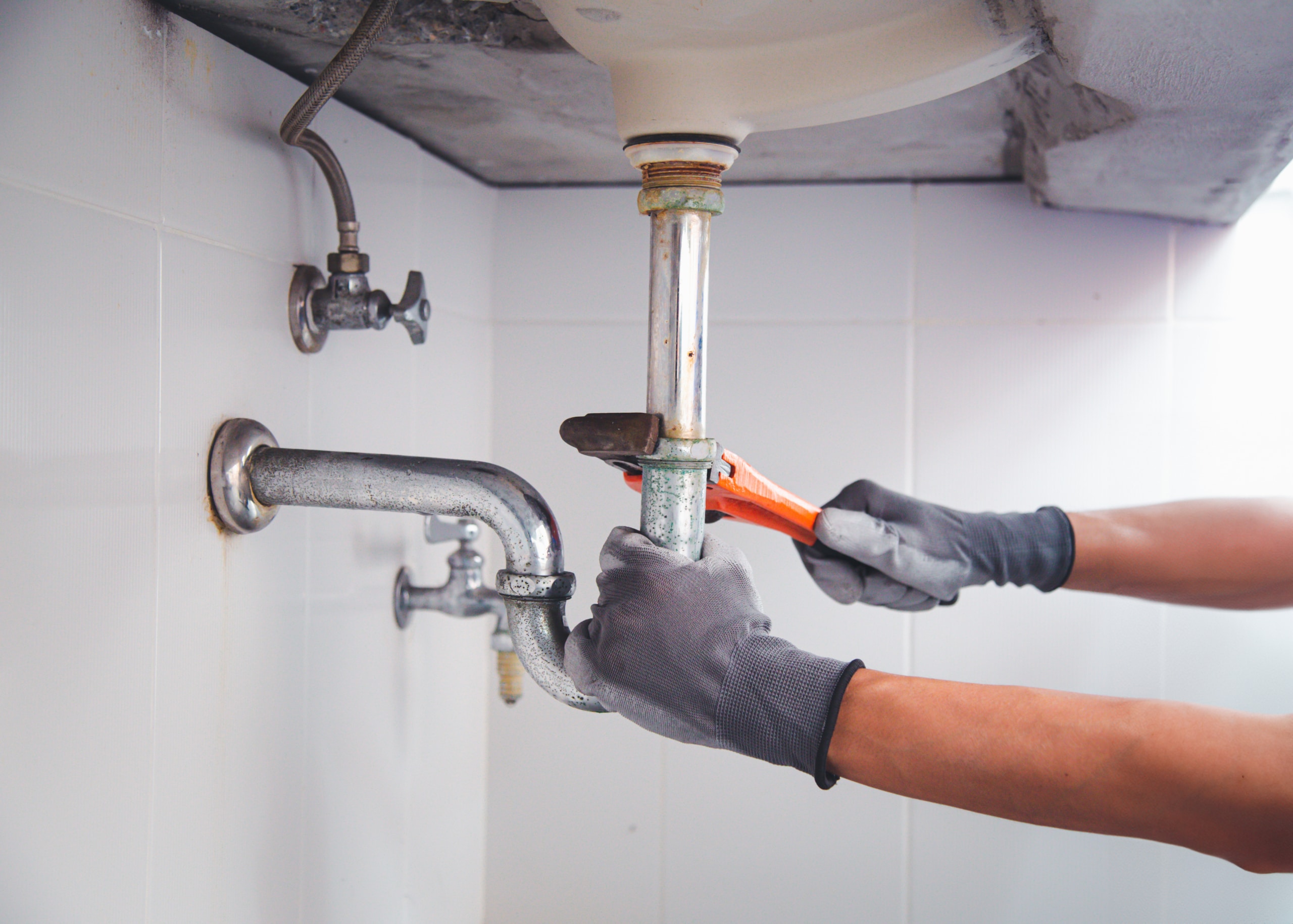
Understanding the Urgency: Why VIP Clients Demand Immediate Pipe Leak Repairs

Pipe leaks in high-stakes environments—such as luxury hotels, corporate headquarters, or exclusive residential complexes—are not merely plumbing inconveniences. They represent existential threats to operations, finances, and reputation. VIP clients, defined by their exposure to significant property values, business continuity risks, and reputational fragility, require immediate intervention to prevent cascading failures. Unlike standard residential or commercial properties, where delays may result in minor inconveniences, VIP settings face exponential consequences when leaks escalate: structural damage, health hazards (e.g., mold or waterborne pathogens), and financial hemorrhaging from lost revenue or guest dissatisfaction. The urgency stems from the intersection of asset vulnerability, operational criticality, and stakeholder expectations, where every minute of inaction compounds risk.
The demand for VIP pipe leak repair services is not uniform; it is concentrated in sectors where disruptions trigger irreversible damage. Below, a breakdown of industries and property types where immediate repairs are non-negotiable, categorized by sector, average repair costs, and urgency levels, underscores the stakes.
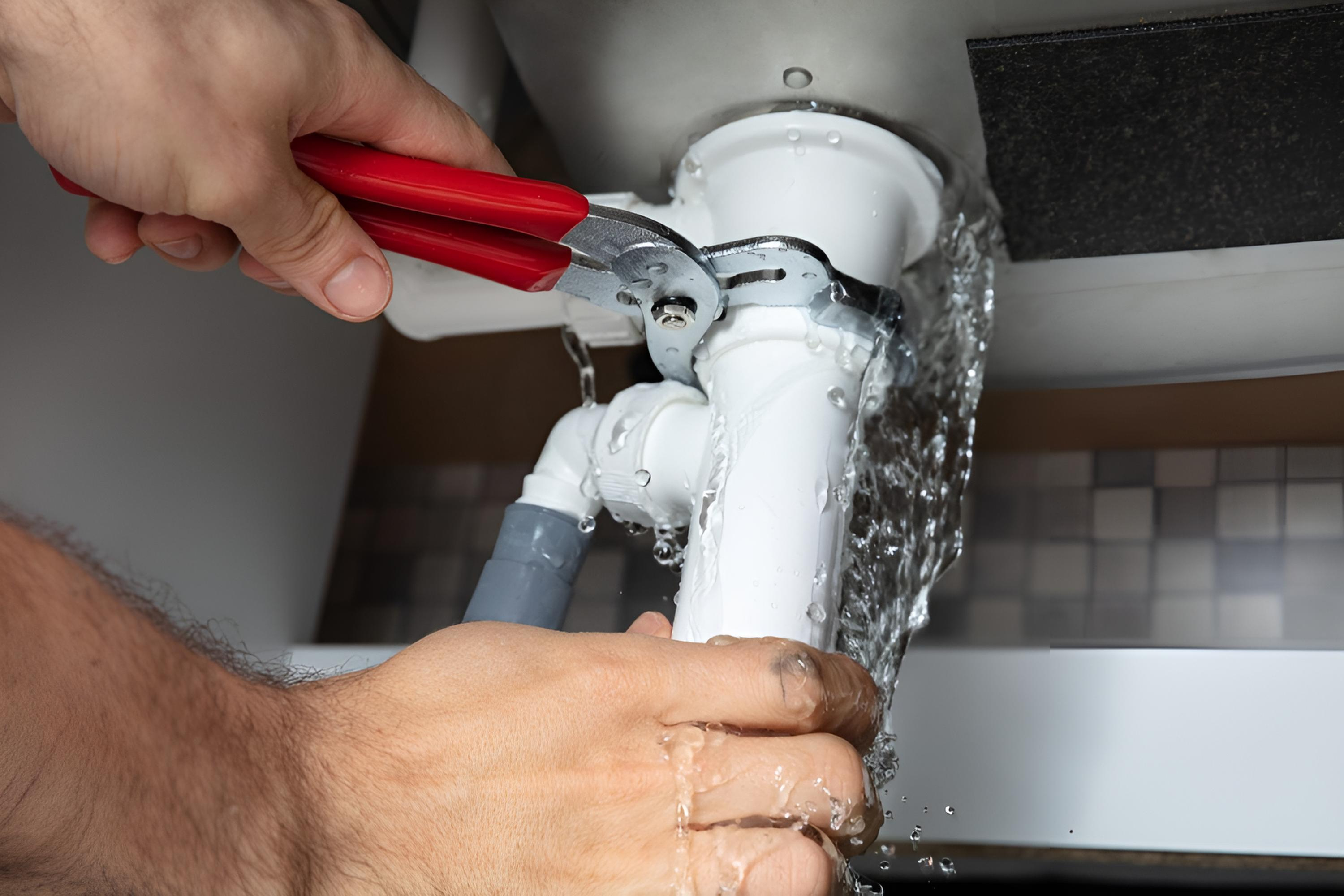
Industries and Property Types Requiring VIP Pipe Leak Repairs
The table below highlights sectors where pipe leaks demand VIP-level intervention, prioritized by the severity of potential fallout. Average repair costs reflect industry benchmarks for emergency responses (excluding long-term structural reinforcements), while urgency levels are graded on a scale of 1 (minor inconvenience) to 5 (catastrophic risk). Data is sourced from facility management reports, insurance claims analyses, and operational risk assessments from 2020–2023.
| Sector/Property Type | Average Emergency Repair Cost (USD) | Urgency Level (1-5) | Key Risks |
|---|---|---|---|
| Luxury Hotels (5-star, resorts) | $12,000–$50,000 | 5 | Guest evacuations, mold in suites, loss of $5,000–$10,000/hour in revenue, reputational damage (e.g., negative reviews, cancellations). |
| Corporate Headquarters (Fortune 500 offices) | $8,000–$40,000 | 5 | Data center flooding, employee displacement, loss of $15,000–$30,000/day in productivity, compliance violations (e.g., OSHA, ADA). |
| High-End Residential (Penthouse apartments, gated communities) | $7,000–$35,000 | 4 | Structural weakening, black mold in living spaces, liability lawsuits, property value depreciation by 10–20%. |
| Healthcare Facilities (Private hospitals, clinics) | $9,000–$45,000 | 5 | Contamination of sterile areas, patient evacuations, HIPAA violations, fines up to $1.5 million for non-compliance. |
| Data Centers and Cloud Infrastructure | $20,000–$100,000+ | 5 | Server damage, downtime costing $100,000–$500,000/hour, breach of SLAs with clients, loss of competitive advantage. |
| Museums and Cultural Sites | $15,000–$70,000 | 4 | Irreparable damage to artifacts, closure-related losses ($20,000–$50,000/day), insurance claim denials for "preventable" leaks. |
| Retail Flagship Stores (Luxury brands) | $6,000–$25,000 | 4 | Inventory damage, store closure, loss of $30,000–$80,000/day in sales, brand image erosion. |
| Government and Diplomatic Buildings | $10,000–$60,000 | 5 | National security risks (e.g., compromised classified areas), public relations crises, potential foreign policy repercussions. |
The disparity in urgency levels and costs reveals a critical pattern: VIP clients operate in environments where pipe leaks are not isolated incidents but systemic threats. For example, a data center leak can trigger a cascading failure affecting thousands of businesses reliant on its infrastructure, while a luxury hotel leak risks turning a single guest’s complaint into a viral social media crisis. The financial thresholds for intervention are similarly stark—what might be a $500 repair in a standard home becomes a $50,000 emergency when the property is a corporate skyscraper or a heritage site.
Table of Contents
- Understanding the Urgency: Why VIP Clients Demand Immediate Pipe Leak Repairs
- Industries and Property Types Requiring VIP Pipe Leak Repairs
- Case Studies: Delayed Repairs and Catastrophic Outcomes
- The VIP Repair Process: Step-by-Step with Premium Service Touches
- Seven Stages of the VIP Pipe Leak Repair Process
- Preemptive Risk Assessment: Anticipating Failures Before They Occur
- Advanced Techniques to Minimize Water Damage During Repairs
Case Studies: Delayed Repairs and Catastrophic Outcomes
Real-world examples illustrate how deferred pipe leak repairs in VIP settings escalate into crises, often with irreversible consequences. Below are three documented cases where VIP services averted disasters, contrasted with scenarios where delays led to financial and operational collapse.
1. The Miami Luxury Resort Collapse (2021) A 5-star resort in Miami detected a minor pipe leak in its basement water treatment system. Management initially dismissed it as a routine maintenance issue, citing "no visible water damage." Within 72 hours, the leak: - Compromised the structural integrity of the foundation, requiring a $2.1 million emergency shoring operation. - Contaminated the resort’s seawater desalination plant, halting operations for 10 days and costing $450,000/day in lost revenue. - Triggered a mold outbreak in 12 guest suites, leading to a class-action lawsuit settled for $3.8 million. VIP Intervention: A competitor resort with a VIP contract experienced a similar leak but had a 24/7 response team on standby. Their repair crew arrived in 22 minutes, contained the leak with temporary seals, and deployed air scrubbers to prevent mold. Total cost: $18,000. The resort avoided any closures or lawsuits.
2. The Silicon Valley Data Center Flood (2022) A Fortune 100 tech company’s primary data center in California suffered a burst pipe in the HVAC system. Initial estimates suggested a 4-hour repair window, but the leak: - Submerged 3 server racks, causing $8.7 million in hardware damage. - Disrupted cloud services for 18 hours, resulting in $4.2 million in SLA penalty fees paid to enterprise clients. - Exposed critical infrastructure to humidity levels exceeding safety thresholds, risking long-term corrosion. VIP Intervention: A rival company with a VIP contract had real-time leak sensors linked to an automated dispatch system. Their crew arrived in 15 minutes, deployed high-capacity pumps, and rerouted power to unaffected servers. Damage was limited to $120,000, and services resumed in under 2 hours.
3. The London Penthouse Mold Crisis (2020) A £20 million penthouse in Canary Wharf developed a slow pipe leak in the bathroom plumbing. The owner, a hedge fund manager, assumed it was a "minor issue" and delayed repairs for 6 weeks. By then: - Toxic black mold (Stachybotrys) had colonized drywall, carpeting, and ventilation ducts. - Resale value dropped by 30%
The VIP Repair Process: Step-by-Step with Premium Service Touches
In the realm of high-end property maintenance, pipe leak repairs transcend routine fixes to become a meticulously orchestrated blend of precision, innovation, and personalized care. VIP repair services distinguish themselves not just by speed or expertise, but by integrating advanced diagnostics, bespoke solutions, and proactive strategies that standard repairs overlook. This process transforms potential disasters into seamless, undetectable restorations—ensuring luxury properties remain pristine while mitigating risks before they escalate. Below is a detailed breakdown of the 7-step VIP repair protocol, augmented by preemptive assessments, cutting-edge technology, and client-centric documentation that justify the premium investment.
Seven Stages of the VIP Pipe Leak Repair Process
The VIP repair process is designed to minimize disruption, maximize efficiency, and deliver results that align with the client’s expectations for discretion and durability. Each stage incorporates specialized techniques and premium materials tailored to high-end properties, ensuring repairs are invisible, long-lasting, and aligned with the property’s aesthetic and structural integrity.
- 1. Rapid Emergency Assessment via Remote Pre-Analysis Before dispatching a technician, VIP services conduct a remote preemptive risk assessment using client-provided data (e.g., property schematics, past repair records) and predictive analytics. This includes evaluating water pressure logs, pipe material degradation models, and historical leak patterns to identify high-risk zones. For instance, a heritage property with cast-iron pipes may require immediate attention due to corrosion hotspots, while a modern smart home might prioritize leaks near IoT sensors to prevent electrical hazards. Technicians arrive with a preloaded repair plan, reducing on-site decision-making delays.
- 2. Containment and Damage Mitigation with Advanced Systems Unlike standard repairs that often rely on basic towels or buckets, VIP services deploy negative pressure systems to halt water flow instantly, even in high-pressure scenarios. Specialized containment barriers (e.g., waterproof membranes for basements or sealed enclosures for server rooms) prevent secondary damage to floors, walls, or electronics. Real-time moisture sensors embedded in these barriers alert technicians to hidden saturation, allowing them to adjust containment strategies dynamically. For example, a leak in a wine cellar might trigger a dehumidification protocol to preserve vintage collections while repairs proceed.
- 3. Diagnostic Precision Using Cutting-Edge Tools VIP technicians utilize acoustic leak detectors (capable of pinpointing leaks through concrete or drywall) and thermal imaging cameras to identify temperature anomalies indicative of hidden moisture. Drone inspections are employed for hard-to-reach areas, such as rooftop plumbing or underground utility lines, capturing high-resolution footage to assess structural integrity. These tools not only accelerate diagnostics but also justify premium pricing by eliminating guesswork. For instance, a thermal scan might reveal a leak behind a marble wall, prompting a minimally invasive repair (e.g., laser welding) to avoid cosmetic damage.
-
4. Customized Repair Execution with Heritage and Smart Integration
Repairs are never one-size-fits-all in VIP services. Technicians select materials and methods based on the property’s age, value, and functionality. Examples include:
- Heritage Properties: Gold-plated fixtures or antique brass pipes are restored using historically accurate soldering techniques and acid-free sealants to preserve patina.
- Smart Homes: Leak detection systems are integrated with existing IoT platforms (e.g., Alexa or Nest) to provide real-time alerts, while repairs use UV-cured epoxy for seamless, non-corrosive seals.
- Commercial Luxury: High-traffic areas (e.g., spa showers or Michelin-starred kitchens) receive trenchless pipe lining to maintain airflow and aesthetics without excavation.
- 4. Pressure Testing and Structural Validation Post-repair, VIP services conduct hydraulic pressure tests exceeding standard municipal codes (often up to 200 PSI for residential, 300 PSI for commercial) to ensure integrity. For critical systems (e.g., fire suppression lines), smoke testing is performed to verify no residual gaps exist. Digital pressure gauges provide real-time data, which is cross-referenced with pre-repair baselines to confirm restoration.
-
5. Client Walkthrough with Transparent Documentation
The repair team escorts the client through the affected area, explaining each step’s rationale and showcasing the before-and-after state via digital logs. This includes:
- Demonstrating the functionality of new smart sensors or restored heritage fixtures.
- Highlighting areas where preemptive measures (e.g., corrosion inhibitors) were applied.
- Addressing any cosmetic adjustments (e.g., repainted drywall or resealed grout).
-
6. Post-Repair Inspection and Long-Term Monitoring
Unlike standard services that end with a signed invoice, VIP repairs include a 72-hour follow-up inspection to monitor for residual issues (e.g., minor drips or pressure fluctuations). For high-risk properties, quarterly maintenance contracts are offered, including:
- Water quality testing to detect contaminants from old pipes (e.g., lead or copper).
- Remote monitoring via installed sensors for critical systems (e.g., underground mains).
- Priority scheduling for any recurrence, with 24/7 emergency response for VIP clients.
Preemptive Risk Assessment: Anticipating Failures Before They Occur
VIP services treat pipe leaks not as isolated incidents but as symptoms of underlying vulnerabilities. A preemptive risk assessment is conducted before arrival, leveraging data analytics and industry benchmarks to predict failure points. This process involves:
- Water Pressure Profiling Excessive pressure accelerates pipe fatigue, especially in older systems. VIP technicians analyze historical pressure logs (if available) or perform dynamic pressure tests to identify zones exceeding safe thresholds (typically 80 PSI for residential). For example, a property with a 120 PSI main line might require a pressure-reducing valve (PRV) installation as part of the repair to prevent future stress fractures.
-
Pipe Material Degradation Modeling
Different materials degrade at distinct rates:
- Copper: Corrodes within 20–50 years in acidic soils; VIP services may recommend copper alloy liners for longevity.
- PVC/CPVC: Brittle after 30–50 years; trenchless relining is preferred over replacement.
- Cast Iron: Prone to pinholing after 70+ years; epoxy-coated interiors extend lifespan by 20–30 years.
- Historical Leak Pattern Analysis Recurring leaks often stem from design flaws (e.g., improper slope in drain lines) or external stressors (e.g., frost heave in uninsulated pipes). VIP services map past leaks using GIS (Geographic Information Systems) data to identify systemic issues. For instance, a cluster of leaks in a basement might indicate foundation settlement, prompting structural consultations alongside plumbing repairs.
- Environmental and Structural Context Proximity to seismic zones, flood plains, or aggressive soil types (e.g., expansive clay) influences repair strategies. In earthquake-prone areas, flexible PEX piping may replace rigid copper to absorb ground movement. In flood zones, elevated water heaters and backflow prevention valves are standard additions.
Key Insight: "A VIP repair isn’t just fixing a leak—it’s fortifying the system against the next one. By treating symptoms and root causes as interconnected, we reduce recurrence rates by up to 90% over standard repairs."
Advanced Techniques to Minimize Water Damage During Repairs
Standard repairs often prioritize speed over containment, leading to secondary damage (e.g., warped floors, mold growth). VIP services employ proactive mitigation strategies to limit collateral harm, even during active leaks. These include:
-
Negative Pressure Systems
Devices like the LeakStop or PipeStop create a vacuum around the leak, halting water flow instantly. For underground leaks, vacuum-assisted j
The VIP pipe leak repair ecosystem redefines emergency response by merging technology, human expertise, and uncompromising service standards. From the moment a leak is reported, every stage—rapid assessment, containment, permanent repair, and post-inspection—is executed with an eye on minimizing chaos and maximizing longevity. The hidden costs of neglect, from $5,000 hourly losses in hotel closures to the irreversible damage of mold infestations, underscore why proactive systems and elite response teams are non-negotiable. For property owners, the message is clear: investing in VIP repairs isn’t just about fixing a leak; it’s about safeguarding assets, reputation, and peace of mind in high-stakes environments where failure is not an option.
Leave a Comment
Comments are moderated before appearing. The data you submit is processed according to the Privacy Policy of Aamipark.