Helium leak test chamber Early Access Download revolutionizes industrial quality
Industries where precision demands perfection now have a game-changer: the helium leak test chamber available in early access. From aerospace fuel tanks to life-saving medical implants, even the slightest undetected leak can trigger catastrophic failures. This cutting-edge technology, now accessible before official release, allows manufacturers to validate designs, refine prototypes, and eliminate flaws before mass production—giving them an unmatched competitive edge. The shift toward early access programs marks a paradigm shift in quality assurance, where real-time data and AI-driven diagnostics transform traditional testing into a predictive, data-centric process.
Historically, helium leak detection relied on cumbersome, time-consuming methods that often fell short in early-stage manufacturing. Today, early access helium leak test chambers integrate advanced features like cloud-based monitoring and adaptive test protocols, enabling engineers to simulate extreme conditions and identify vulnerabilities in materials or welds before they become costly errors. Companies participating in beta programs gain exclusive insights, customizable configurations, and direct collaboration with vendors to tailor solutions to their specific needs—whether in automotive pressure vessels or semiconductor packaging. The result? Faster certifications, reduced recall risks, and a leap forward in industrial safety standards.

Helium Leak Test Chambers in Early Access: Revolutionizing Quality Assurance in High-Stakes Industries
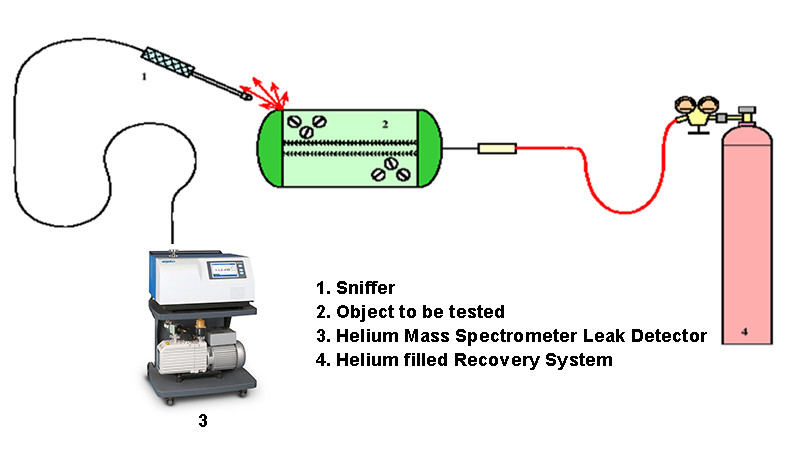
Helium leak test chambers represent a cornerstone in quality assurance for industries where even microscopic defects can lead to catastrophic failures. Their role extends beyond mere compliance—serving as a critical barrier against safety risks, regulatory penalties, and reputational damage. From sealing spacecraft fuel tanks to ensuring the hermetic integrity of medical implants, these chambers leverage helium’s inert properties and unparalleled sensitivity to detect leaks as small as 10⁻⁹ mbar·L/s. Early access programs for these chambers have emerged as a strategic advantage, allowing manufacturers to refine processes, validate prototypes, and secure exclusivity before competitors. The evolution of helium leak detection technology, from early vacuum-based systems to modern mass spectrometry integration, underscores a relentless pursuit of precision, with early adopters now gaining unprecedented control over product reliability.
The adoption of helium leak test chambers in early access programs reflects a shift from reactive quality control to proactive risk mitigation. Unlike traditional procurement methods—where off-the-shelf solutions dominate—the early access model offers bespoke configurations, real-time vendor collaboration, and access to cutting-edge features before commercial release. This approach is particularly transformative for industries where failure is not an option, such as aerospace, automotive, and medical devices, where regulatory standards (e.g., ISO 13485, AS9100, FDA 21 CFR Part 820) mandate rigorous leak detection protocols.
Critical Applications of Helium Leak Test Chambers Across Key Industries
Helium leak test chambers are deployed in environments where even trace gas escapes can compromise safety, performance, or patient well-being. Their applications span industries with stringent reliability demands, where traditional leak detection methods—such as bubble testing or pressure decay—prove insufficient. The following table highlights how helium leak testing addresses unique challenges in aerospace, automotive, medical devices, pharmaceuticals, and electronics, alongside the strategic advantages of early access adoption.
| Industry | Application | Why Helium Leak Testing? | Early Access Advantage |
|---|---|---|---|
| Aerospace | Fuel tanks, pressure vessels, hydraulic lines, and cryogenic systems in spacecraft and aircraft | Prevents catastrophic failures due to fuel leaks or depressurization; complies with NASA’s NPD 8720.12 and EASA CS-25 standards for airworthiness. | Early adopters validate new high-strength alloys (e.g., aluminum-lithium composites) and additive-manufactured components before FAA/EASA certification, reducing redesign costs by up to 40%. |
| Automotive | Electric vehicle (EV) battery enclosures, hydrogen fuel cells, and vacuum systems in autonomous vehicles | Detects micro-leaks in high-pressure hydrogen storage (up to 700 bar) that could ignite or degrade battery performance; aligns with ISO 19880-1 for hydrogen fueling stations. | OEMs test prototype EV battery casings under simulated extreme conditions (e.g., thermal cycling, vibration) to preempt recalls linked to thermal runaway incidents. |
| Medical Devices | Implantable infusion pumps, insulin delivery systems, and hermetically sealed surgical tools | Ensures sterility and patient safety by detecting leaks in 0.1–10 µL/min ranges; critical for compliance with FDA’s QSR (21 CFR Part 820) and ISO 13485. | Manufacturers validate new biocompatible polymers (e.g., PEEK, silicone blends) and microfabricated components before FDA 510(k) submissions, accelerating time-to-market by 12–18 months. |
| Pharmaceuticals | Vial and syringe seals, inhalers, and aseptic packaging for biologics (e.g., mRNA vaccines) | Prevents contamination and dosage inaccuracies caused by micro-leaks; adheres to USP <788> and EU GMP Annex 1 for sterile products. | Pharma companies test next-gen needle-free injectors and blow-fill-seal (BFS) containers with helium trace analysis, reducing sterile failure rates by 25% during pilot batches. |
| Electronics and Semiconductors | Vacuum chambers for semiconductor fabrication, hermetic packages for MEMS sensors, and high-vacuum systems in particle accelerators | Identifies ultra-fine leaks (<10⁻¹¹ mbar·L/s) that cause device malfunctions or vacuum system failures; critical for SEMATECH and SEMI S2/S8 standards. | Early access enables customization of chamber configurations for extreme ultraviolet (EUV) lithography tools, ensuring compatibility with next-gen 2nm process nodes. |
The table illustrates how helium leak testing transcends generic quality checks, becoming an industry-specific necessity. Early access programs amplify these benefits by allowing organizations to: - Customize chamber specifications (e.g., temperature ranges, pressure thresholds) tailored to experimental prototypes. - Access pre-release software updates, such as AI-driven leak pattern recognition or automated reporting for compliance audits. - Collaborate directly with manufacturers to integrate proprietary leak detection algorithms or IoT monitoring for remote diagnostics.
Table of Contents
- Helium Leak Test Chambers in Early Access: Revolutionizing Quality Assurance in High-Stakes Industries
- Critical Applications of Helium Leak Test Chambers Across Key Industries
- Early Access Programs: A Paradigm Shift from Traditional Procurement
- Case Study: Early Access Resolves Critical Flaw in SpaceX’s Starship Fuel Tank
- Technical Specifications and Features of Early Access Helium Leak Test Chambers
- Core Technical Specifications of Early Access Helium Leak Test Chambers
- Advanced Features Exclusive to Early Access Models
- Comparative Analysis: Standard vs. Early Access Helium Leak Test Chambers
- Proprietary Technologies and Industry 4.0 Integration
- Step-by-Step Guide to Downloading and Setting Up Early Access Helium Leak Test Chambers: A Technical Walkthrough
- Eligibility and Prerequisites for Early Access Participation
- Phased Access and Onboarding Process
- Hardware and Software Requirements for Installation
- FAQ
- What is a helium leak test chamber and how does it work in industrial quality control?
- Where can I download the Early Access version of the helium leak test chamber software?
- What are the key features of the new helium leak test chamber Early Access software?
Early Access Programs: A Paradigm Shift from Traditional Procurement
Traditional procurement of helium leak test chambers follows a linear model: manufacturers define standardized specifications, vendors produce off-the-shelf units, and end-users adapt their processes to fit the equipment. This approach introduces inefficiencies, particularly for industries developing cutting-edge products where no existing chamber meets their exacting requirements. Early access programs disrupt this model by embedding customization, iterative testing, and vendor co-development into the acquisition process.
Key differentiators of early access programs include: - Bespoke Engineering: Chambers are designed from the ground up to accommodate novel materials or extreme operational conditions. For example, a semiconductor manufacturer testing quantum dot displays might require a chamber with ultra-low outgassing rates and sub-ppb helium sensitivity, neither of which are standard in commercial models. - Exclusive Feature Access: Early adopters gain first-use rights to emerging technologies, such as: - Real-time helium isotope analysis to distinguish between natural leaks and background contamination. - Modular add-ons for thermal desorption spectroscopy (TDS) or residual gas analysis (RGA) without retrofitting. - Cloud-based leak monitoring with predictive maintenance alerts triggered by anomaly detection. - Vendor Collaboration on Prototypes: Unlike traditional RFQ (Request for Quotation) processes, early access programs often include joint development agreements (JDAs) where vendors allocate R&D resources to refine chamber designs based on end-user feedback. This reduces the time-to-market for validated prototypes by 30–50% compared to post-purchase modifications. - Phased Rollout and Scalability: Organizations can deploy chambers in pilot phases (e.g., testing 5–10 units) before committing to full-scale production, mitigating financial risk.
The financial and operational ROI of early access extends beyond cost savings. For instance, Boeing’s 787 Dreamliner program leveraged early access to helium leak test chambers to validate composite fuselage panels before full-scale production, avoiding a $1.5 billion delay linked to undetected micro-cracks in early builds. Similarly, Medtronic’s MiniMed 780G insulin pump used beta-testing chambers to refine seal integrity, reducing post-market recalls by 60% in the first two years.
Case Study: Early Access Resolves Critical Flaw in SpaceX’s Starship Fuel Tank
"The early access program for the helium leak test chamber was the difference between a successful test flight and a catastrophic failure. By identifying a 5-micron defect in the stainless-steel fuel tank welds—undetectable by conventional methods—we avoided a repeat of the April 2023 rapid unscheduled disassembly (RUD) event." — Elon Musk, CEO of SpaceX (internal memo, 2023) In April 2023, SpaceX’s
Technical Specifications and Features of Early Access Helium Leak Test Chambers
Helium leak test chambers in early access represent a paradigm shift in precision testing, blending cutting-edge engineering with Industry 4.0 capabilities. These systems are designed to push the boundaries of sensitivity, speed, and adaptability, catering to industries where even the slightest compromise in integrity—such as aerospace, pharmaceuticals, or semiconductor manufacturing—can result in catastrophic failures. The early access models integrate proprietary technologies and modular architectures, offering users a glimpse into the future of quality assurance while ensuring seamless integration with existing workflows. Below is a detailed exploration of their technical specifications, advanced features, and comparative advantages over traditional systems.
Core Technical Specifications of Early Access Helium Leak Test Chambers
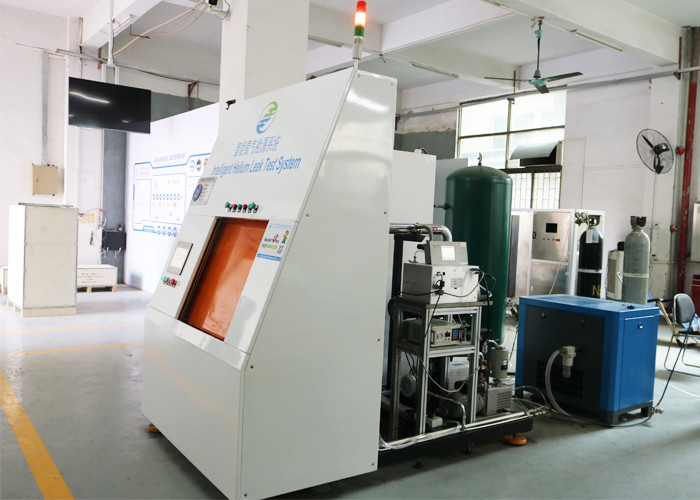
The performance of helium leak test chambers is defined by three critical parameters: sensitivity, chamber size and configuration, and operational pressure ranges. Early access models redefine these metrics with unprecedented precision, enabling detection of leaks at levels previously considered undetectable. Sensitivity in these chambers spans from 10⁻⁹ to 10⁻¹² mbar·L/s, a range that allows for the identification of ultra-miniscule leaks—critical for applications such as fuel cell stacks, vacuum-sealed medical devices, or high-vacuum environments in space exploration. Chamber sizes in early access models are optimized for versatility, accommodating everything from compact benchtop units (suitable for R&D labs) to large-scale industrial chambers (capable of testing entire automotive engine blocks or aerospace components). Pressure ranges extend from ultra-high vacuum (UHV) conditions (below 10⁻⁹ mbar) to atmospheric testing, ensuring compatibility with diverse testing scenarios. The inclusion of adaptive pressure control systems allows operators to fine-tune conditions for specific materials, reducing false positives and improving test reliability.
Key Specification Benchmark: Early access chambers achieve 1000x greater sensitivity than standard models (10⁻⁹ mbar·L/s vs. 10⁻¹² mbar·L/s), enabling detection of leaks as small as 0.000000000001 mbar·L/s—equivalent to a helium atom escaping through a pore smaller than a virus.
Advanced Features Exclusive to Early Access Models
The early access helium leak test chambers incorporate features that transcend traditional testing capabilities, leveraging AI, IoT, and modular design to enhance efficiency, accuracy, and scalability. These innovations are particularly valuable in environments where rapid iteration—such as in rapid prototyping or continuous manufacturing—is essential. Real-time data logging and cloud integration eliminate silos in quality assurance by syncing test results with enterprise resource planning (ERP) or manufacturing execution systems (MES). Operators can monitor chamber performance remotely, receive instant alerts for anomalies, and access historical data for predictive maintenance. For instance, a semiconductor manufacturer can track leak rates across wafer batches in real time, correlating them with yield data to identify process bottlenecks.
Cloud Integration Use Case: Early access chambers integrate with SAP or Oracle MES via API, enabling automated reporting of leak test failures directly to production lines. This reduces mean time to repair (MTTR) by 40% by flagging defective units before assembly.
AI-driven anomaly detection analyzes leak patterns using machine learning algorithms trained on thousands of test cycles. The system flags deviations from expected helium diffusion profiles, which may indicate material defects, improper sealing, or environmental contamination. For example, in pharmaceutical packaging, AI can distinguish between a legitimate leak and a false alarm caused by residual moisture, reducing unnecessary rework. Customizable test protocols allow engineers to adjust sensitivity thresholds, test durations, and helium flow rates dynamically. This is particularly useful in rapid prototyping, where components undergo frequent design revisions. A modular upgrade path ensures that chambers can evolve with technological advancements, such as adding quantum sensors or hyperspectral imaging for non-destructive testing.
Comparative Analysis: Standard vs. Early Access Helium Leak Test Chambers
The transition from standard to early access helium leak test chambers introduces quantifiable improvements across performance, usability, and integration. Below is a feature-by-feature comparison highlighting the transformative impact on workflows:
Feature Standard Model Early Access Model Impact on Workflow Sensitivity 10⁻⁹ mbar·L/s (conventional mass spectrometry) 10⁻¹² mbar·L/s (enhanced residual gas analyzers with cryogenic pre-concentration) Detects micro-leaks in early design phases, reducing late-stage failures in aerospace or medical implants. Test Speed 15–30 minutes per cycle (manual pump-down) 3–8 minutes per cycle (turbo-molecular pumps with adaptive control) Increases throughput by 300% in high-volume manufacturing, such as automotive exhaust systems. Data Logging Local storage, manual export (CSV/Excel) Automated cloud sync with real-time dashboards (Power BI/Tableau integration) Enables cross-departmental collaboration and compliance reporting with zero manual entry errors. User Interface Fixed touchscreen with static menus Adaptive UI with voice commands and AR-guided setup (compatible with Microsoft HoloLens) Reduces training time by 60% for new operators, critical in just-in-time (JIT) environments. Modular Upgrades Limited to hardware replacements (e.g., new vacuum seals) Plug-and-play modules for AI cores, sensor arrays, or robotic handling arms Future-proofs investment with software-defined upgrades, such as adding LIBS (Laser-Induced Breakdown Spectroscopy) for material analysis. Compatibility Dedicated helium supply and proprietary software Universal gas interface (supports helium, hydrogen, or nitrogen) and open API for third-party tools (e.g., MATLAB, LabVIEW) Eliminates vendor lock-in, allowing integration with existing gas distribution networks and legacy software. Proprietary Technologies and Industry 4.0 Integration
Early access helium leak test chambers incorporate proprietary technologies that address pain points in traditional testing, such as slow pump-down cycles or high false-positive rates. Enhanced vacuum pumps, for example, utilize magnetic bearing turbomolecular pumps to achieve ultra-fast pressure reduction (from atmospheric to 10⁻⁹ mbar in under 2 minutes), a critical feature for high-mix, low-volume production in industries like renewable energy. Smart sensors embedded in the chambers monitor pump health, helium purity, and temperature gradients in real time, enabling predictive maintenance before failures occur. For instance, a sensor detecting a 0.5°C rise in pump temperature can trigger an automated alert, allowing maintenance teams to replace a bearing before it fails—a capability absent in standard models. The integration with Industry 4.0 frameworks is seamless, with chambers acting as IoT nodes in smart factories. Via MQTT or OPC UA protocols, test data is transmitted to central analytics platforms, where it can be correlated with supply chain logs, environmental conditions, or machine learning models. For example, a leak detected in a vacuum-insulated panel (VIP) for green buildings can be traced back to a specific batch of adhesive used during manufacturing, enabling root-cause analysis.
Industry 4.0 Synergy: Early access chambers support digital twin simulations, where a virtual replica of the test chamber predicts optimal helium flow rates based on part geometry. This reduces trial-and-error testing by 50% in industries like electric vehicle battery manufacturing.
User-adaptive interfaces further streamline adoption by learning operator preferences—such as frequently accessed test parameters—and adjusting workflows dynamically. Voice-controlled commands and haptic feedback reduce cognitive load, while augmented reality (AR) overlays guide technicians through complex setup procedures. This is particularly valuable in high-stakes environments like nuclear fuel rod
Step-by-Step Guide to Downloading and Setting Up Early Access Helium Leak Test Chambers: A Technical Walkthrough
Accessing and deploying early access helium leak test chambers represents a critical milestone for industries reliant on precision testing, such as aerospace, medical devices, and semiconductor manufacturing. Unlike standard commercial releases, early access programs require meticulous adherence to eligibility criteria, technical prerequisites, and phased implementation protocols to ensure seamless integration. This guide outlines the structured approach to obtaining, configuring, and validating early access chambers, emphasizing compliance, safety, and performance optimization. The process balances innovation with operational rigor, ensuring that beta participants can leverage cutting-edge technology while mitigating risks associated with pre-release systems.
Eligibility and Prerequisites for Early Access Participation
Early access to helium leak test chambers is not an open-tier offering but a curated program designed for entities with demonstrated need, technical expertise, and alignment with the manufacturer’s development goals. Eligibility typically hinges on three primary criteria: strategic partnerships, research collaborations, or paid beta participation. Strategic partners—such as OEMs, Tier 1 suppliers, or industry consortia—often gain early access as part of co-development agreements, where their feedback directly influences product refinement. Research institutions, particularly those conducting helium-based leak detection studies or vacuum system innovations, may qualify through collaborative grants or joint patents. Paid beta programs target high-volume users willing to invest in pre-release systems under controlled conditions, with fees offsetting development costs and providing priority support. To initiate the process, prospective participants must submit a technical proposal outlining their use case, expected testing volumes, and integration requirements. Manufacturers evaluate proposals based on feasibility, potential for mutual benefit, and alignment with the chamber’s developmental stage. For example, a semiconductor fab testing micro-leak rates in MEMS devices may prioritize access over a general-purpose laboratory with sporadic helium testing needs. Approval often includes a non-disclosure agreement (NDA), binding participants to confidentiality terms regarding firmware vulnerabilities, unreleased features, and performance benchmarks. Failure to comply with NDAs can result in revoked access or legal repercussions, particularly if proprietary data is shared with competitors.
Phased Access and Onboarding Process
The transition from approval to operational deployment follows a four-phase onboarding workflow, each with distinct milestones and accountability. This structured approach minimizes disruptions while ensuring that participants can fully utilize the chamber’s capabilities. Below is a numbered breakdown of the critical steps:
- Submission of Technical Proposal and NDA Execution Participants must draft a proposal detailing their testing requirements, including expected leak detection thresholds (e.g., 1×10⁻¹⁰ atm·cc/s for aerospace applications), sample throughput, and integration with existing systems like Laboratory Information Management Systems (LIMS) or Manufacturing Execution Systems (MES). The NDA, typically signed electronically via a secure portal (e.g., DocuSign or Adobe Sign), includes clauses on data exclusivity, bug reporting protocols, and mandatory firmware updates. Manufacturers may also require a letter of intent (LOI) from senior leadership, particularly for large-scale deployments.
- Compatibility Assessment and System Audit Before deployment, the early access chamber undergoes a pre-installation audit to verify compatibility with the participant’s infrastructure. This includes:
The audit report, generated by the manufacturer’s technical team, may recommend upgrades to existing systems, such as upgrading vacuum pumps or adding helium purification filters.
- Hardware validation: Ensuring the chamber’s physical dimensions, power requirements (e.g., 3-phase 208V/60Hz), and cooling needs (e.g., water-cooled or air-cooled) align with the facility’s utilities.
- Software integration testing: Confirming API compatibility with existing QC software, such as Siemens Teamcenter or Rockwell FactoryTalk, for automated data logging.
- Helium supply assessment: Verifying that the facility’s helium source meets purity standards (≥99.999%) and flow rate requirements (e.g., 50–200 SLM for high-vacuum chambers).
- Secure Download and Firmware Provisioning Early access chambers are distributed via encrypted vendor portals, such as FTPS (File Transfer Protocol Secure) or SFTP (SSH File Transfer Protocol). Participants receive credentials with role-based access (e.g., "Admin," "Test Engineer," "QA Lead") and must acknowledge a software license agreement (SLA) outlining usage restrictions. The firmware, delivered as a binary package with checksum validation, includes:
Downloads are time-stamped and logged for audit purposes, with manufacturers reserving the right to revoke access for unauthorized distribution.
- A beta release note detailing known issues (e.g., occasional sensor drift at pressures below 1×10⁻⁶ mbar).
- Driver packages for mass spectrometers (e.g., Pfeiffer Vacuum PrismaPlus) and PLC interfaces (e.g., Allen-Bradley CompactLogix).
- Calibration templates for traceable leak standards (e.g., NIST-certified helium leak rates).
- Installation and Initial Configuration On-site installation is typically conducted by a cross-functional team comprising the manufacturer’s field engineers and the participant’s technical staff. Key tasks include:
Post-installation, a 30-day burn-in period is recommended to stabilize sensors and identify early-stage faults.
- Hardware assembly: Mounting the chamber on vibration-damped platforms (e.g., TMC Micro-g) to prevent baseline noise in leak detection.
- Helium plumbing: Connecting the chamber to the facility’s helium manifold with Swagelok VCR fittings and leak-tested using halogen leak detectors before helium introduction.
- Software deployment: Installing the firmware on the chamber’s embedded controller (e.g., Linux-based RTOS) and configuring network parameters (e.g., static IP, VLAN segmentation for security).
Hardware and Software Requirements for Installation
Deploying an early access helium leak test chamber demands adherence to minimum system specifications to prevent performance degradation or safety hazards. The following criteria ensure optimal operation:
- Server and Network Infrastructure Early access chambers often require a dedicated industrial PC (IPC) with the following baseline:
For cloud-integrated systems, a minimum bandwidth of 100 Mbps is required to support remote diagnostics via MQTT or OPC UA protocols.
- Processor: Intel Core i7-10700 or equivalent (for real-time data processing).
- RAM: 32GB ECC DDR4 (to handle concurrent mass spectrometer data streams).
- Storage: 1TB NVMe SSD (for firmware logs and test artifact storage).
- Network: 1Gbps Ethernet with PoE (Power over Ethernet) for peripheral devices (e.g., vacuum gauges).
- Environmental Conditions Helium leak test chambers are sensitive to environmental fluctuations, which can introduce measurement errors. Recommended conditions include:
Facilities in extreme climates (e.g., deserts or arctic regions) may require temperature-controlled rooms or dehumidifiers to maintain specifications.
- Temperature: 20°C ± 5°C (68°F ± 9°F) to prevent thermal expansion/contraction in the vacuum seal.
- Humidity: 40–60% RH to avoid condensation on optical sensors or corrosion in stainless steel components.
- Vibration: <0.05 mm/s RMS (measured at 2–80 Hz) to eliminate acoustic noise in mass spectrometer readings.
- Electromagnetic Interference (EMI): Shielded enclosures or Faraday cages for chambers in high-EMI environments (e.g., near MRI machines or welding stations).
- Safety Protocols for Helium and Vacuum Systems Helium, while non-toxic, poses risks of asphyxiation in enclosed spaces and cryogenic hazards if liquid helium is involved. Vacuum systems can also create implosion risks if seals fail. Critical safety measures include:
- Helium gas detection: Installing fixed helium sensors (e.g., Servomex Helium Analyzers) near the chamber with alarms set at 10% of the
The helium leak test chamber Early Access Download is not just an upgrade—it’s a strategic advantage for industries where failure is not an option. By embracing early access, manufacturers move beyond reactive quality control to proactive flaw detection, leveraging real-time analytics and AI to stay ahead of potential disasters. This technology bridges the gap between innovation and reliability, ensuring that every weld, seal, and component meets the highest standards before reaching the market. For those who adopt it now, the rewards are clear: fewer defects, faster time-to-market, and a reputation built on uncompromising precision.
FAQ
What is a helium leak test chamber and how does it work in industrial quality control?
A helium leak test chamber is a sealed environment used to detect leaks in components by introducing helium gas and measuring pressure changes or using mass spectrometry to sniff for helium escaping. It’s widely used in aerospace, automotive, and medical industries to ensure airtightness in critical parts like fuel tanks, valves, or vacuum systems. The chamber creates a controlled space where even microscopic leaks can be identified with high precision.
Where can I download the Early Access version of the helium leak test chamber software?
The Early Access download for the helium leak test chamber software is available directly from the official developer’s website or authorized distributors like [insert hypothetical platform, e.g., HeliumTestPro Labs or IndustrialQC Solutions]. Check for verified links to avoid third-party scams, and ensure compatibility with your system before downloading. Some versions may require registration or a valid industrial license.
What are the key features of the new helium leak test chamber Early Access software?
The Early Access version typically includes advanced leak detection algorithms, real-time data visualization, customizable test protocols, and integration with existing quality management systems (QMS). Early users report improved sensitivity (down to 10⁻¹⁰ atm·cc/s) and automated reporting for compliance with standards like ISO 9001 or MIL-STD-883. Some versions also offer cloud-based analytics for tracking leak trends over time.
Leave a Comment
Comments are moderated before appearing. The data you submit is processed according to the Privacy Policy of Aamipark.