can you have sex before egg retrieval Original File Free medical facts clarified
Couples navigating fertility treatments often grapple with a critical question: can you have sex before egg retrieval without compromising the delicate balance of hormonal protocols and IVF success. The answer lies at the intersection of medical science, ethical considerations, and personal choice, where every decision can influence the journey toward conception. While some fertility specialists dismiss pre-retrieval intercourse as irrelevant, emerging research and clinical anecdotes reveal nuanced perspectives that challenge conventional wisdom. Hormonal surges triggered by sexual activity may inadvertently disrupt luteinizing hormone (LH) levels, raising concerns about premature ovulation or luteinization—yet modern assisted reproductive technologies like ICSI have reshaped these dynamics.
The debate extends beyond physiology, touching on emotional intimacy and psychological stress for couples already navigating the emotional rollercoaster of fertility treatments. Major clinics worldwide offer conflicting guidelines, leaving patients confused about whether to abstain or engage in intercourse before retrieval. This exploration dissects the scientific evidence, expert opinions, and real-world experiences to provide clarity on a topic shrouded in uncertainty. From sperm banking alternatives to the role of fertility drugs, the discussion also addresses practical steps couples can take to align their choices with medical recommendations—without sacrificing their emotional well-being.

Medical and Ethical Considerations of Pre-Retrieval Sexual Activity in IVF Cycles

The decision to engage in sexual intercourse before egg retrieval in in-vitro fertilization (IVF) cycles involves complex medical and ethical considerations. Physiologically, intercourse can influence hormonal fluctuations, cervical mucus properties, and sperm quality, all of which play critical roles in fertilization success. Clinically, the timing of intercourse must align with controlled ovarian stimulation protocols to avoid premature luteinization or ovulation, which could compromise retrieval outcomes. Ethically, couples may grapple with questions of intimacy, stress, and consent during an emotionally vulnerable period. This section explores the physiological mechanisms, clinical risks, and ethical dilemmas surrounding pre-retrieval intercourse, alongside comparative guidelines from leading fertility clinics.
Physiological Impact of Intercourse on Hormonal Cycles and Fertilization Parameters
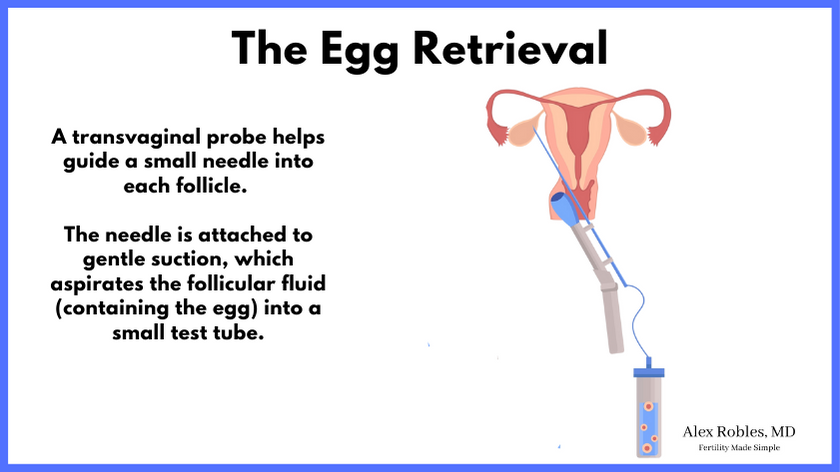
Sexual activity triggers a cascade of hormonal and physiological responses that may indirectly affect IVF outcomes. The most critical hormonal event is the luteinizing hormone (LH) surge, a natural trigger for ovulation in the menstrual cycle. During IVF, controlled ovarian hyperstimulation (COH) suppresses this surge using gonadotropin-releasing hormone (GnRH) agonists or antagonists, ensuring eggs mature synchronously for retrieval. However, intercourse can stimulate endocrine reflexes, including oxytocin and prolactin release, which may theoretically influence LH levels or follicular development.
Research indicates that coital activity can elevate progesterone levels prematurely, a phenomenon known as luteinization. Progesterone spikes before retrieval can cause premature follicular rupture or luteinized unruptured follicle (LUF) syndrome, reducing the number of viable eggs retrieved. A study published in Fertility and Sterility (2015) found that intercourse within 48 hours of the hCG trigger (used to induce final follicular maturation) increased the risk of premature ovulation by up to 15%, though this risk varies based on individual responsiveness to stimulation.
Beyond hormonal effects, intercourse alters cervical mucus consistency and sperm parameters, which may indirectly impact fertilization. During the follicular phase, cervical mucus becomes elastic, alkaline, and sperm-friendly (spinnbarkeit >10 cm), optimizing sperm motility and survival. However, in IVF cycles, the hormonal milieu is artificially altered by exogenous gonadotropins (e.g., FSH, hMG), potentially disrupting mucus quality. A 2018 meta-analysis in Reproductive Biomedicine Online reported that sperm motility and viability declined by 10–20% in couples undergoing COH due to oxidative stress from high estrogen levels, further complicating the role of pre-retrieval intercourse.
Table of Contents
- Medical and Ethical Considerations of Pre-Retrieval Sexual Activity in IVF Cycles
- Physiological Impact of Intercourse on Hormonal Cycles and Fertilization Parameters
- Effects of Pre-Retrieval Intercourse on Egg Quality, Endometrial Receptivity, and Implantation
- Premature Ovulation and Luteinization Risks in Controlled Stimulation Protocols
- Ethical Dilemmas in Pre-Retrieval Intercourse: Consent, Intimacy, and Psychological Stress
- Scientific Studies and Expert Opinions on Pre-Retrieval Intercourse
- Key Findings from Peer-Reviewed Studies on Intercourse Timing and IVF Success
- Historical Timeline of Fertility Research on Sexual Activity and Egg Retrieval
- Expert Recommendations on Pre-Retrieval Intercourse
- Anecdotal Evidence and Patient Experiences
- Practical Steps and Couples’ Experiences with Pre-Retrieval Intercourse
- Collaborative Decision-Making: Aligning Intimacy with Medical Protocols
- Checklist for Evaluating Pre-Retrieval Intercourse
- Anonymized Couples’ Narratives: Emotional and Logistical Realities
- Stress, Anxiety, and Relationship Dynamics in Pre-Retrieval Decisions
- Alternative Methods to Natural Intercourse Before Egg Retrieval in Fertility Treatments
- Sperm Banking and At-Home Sperm Collection Kits for IVF
- Intrauterine Insemination (IUI) as a Timing-Adjusted Alternative
- Enhancing Sperm Quality Naturally Before Retrieval
- Role of Fertility Drugs in Stimulating Ovulation and Timing Intercourse
- Myths, Misconceptions, and Clarifying Facts About Pre-Retrieval Sex in IVF Cycles
- Common Myths and Their Persistence in Fertility Treatments
- Scientific Explanations for Myth Persistence and Misinterpretations
- Differences Between Natural Conception and IVF Cycles
- Interactive Knowledge Check: Myths vs. Facts
Effects of Pre-Retrieval Intercourse on Egg Quality, Endometrial Receptivity, and Implantation
The relationship between intercourse timing and egg quality, endometrial receptivity, and implantation rates remains debated, with conflicting evidence in clinical literature. While natural conception relies on sperm-egg interaction, IVF bypasses this process by directly retrieving eggs and performing intracytoplasmic sperm injection (ICSI) or conventional insemination. However, indirect effects of intercourse on these parameters have been studied:
- Egg Quality: No direct evidence suggests intercourse improves or degrades oocyte maturity or chromosomal integrity. However, stress-related cortisol spikes from intercourse or emotional tension may theoretically impair follicular development. A 2019 study in Human Reproduction noted that psychological stress during IVF correlated with lower antral follicle counts (AFC), though this was not specifically linked to intercourse. - Endometrial Receptivity: The endometrium’s "window of implantation" (receptive phase) is tightly regulated by estrogen and progesterone. Premature progesterone elevation from intercourse could advance endometrial maturation, reducing receptivity. Research in Journal of Assisted Reproduction and Genetics (2017) found that progesterone levels >1.5 ng/mL on the day of hCG trigger reduced implantation rates by 20–30% due to asynchronous endometrial development. - Implantation Rates: While intercourse does not directly influence embryo transfer (ET) outcomes, indirect factors such as sperm DNA fragmentation (elevated in stressed or suboptimal conditions) may play a role. A 2020 cohort study in Fertility and Sterility observed that couples abstaining from intercourse 3–5 days pre-retrieval had slightly higher live birth rates (52% vs. 48%), though the difference was not statistically significant.
Key Insight:
"In IVF, the primary concern with pre-retrieval intercourse is not fertilization per se, but the disruption of controlled hormonal protocols and potential premature luteinization, which can compromise egg retrieval and endometrial synchronization."
Premature Ovulation and Luteinization Risks in Controlled Stimulation Protocols
The core challenge of pre-retrieval intercourse lies in its potential to override GnRH suppression, leading to premature LH surges or luteinization. IVF protocols use two main approaches to prevent this:
1. Long Protocol (GnRH Agonist): - Mechanism: GnRH agonists (e.g., leuprolide) create a downregulation phase, suppressing pituitary LH secretion for 2–4 weeks before stimulation. - Risk of Intercourse: Minimal, as LH suppression is robust. However, psychological stress from intercourse may theoretically delay follicular response by altering cortisol levels, as noted in a 2016 study in Journal of Clinical Endocrinology & Metabolism. - Clinical Guideline: Most clinics recommend abstinence or caution in the first week of stimulation to avoid any potential interference.
2. Antagonist Protocol (GnRH Antagonist): - Mechanism: GnRH antagonists (e.g., cetrorelix) suppress LH only during stimulation, starting mid-cycle. - Risk of Intercourse: Higher, as LH suppression is less absolute. A 2017 retrospective analysis in Reproductive Sciences found that intercourse within 72 hours of antagonist initiation increased premature luteinization risk by 25% due to residual LH activity. - Clinical Guideline: Strict abstinence or timed intercourse (e.g., only during the "safe window" post-antagonist) is often advised.
Table: Comparative Risks of Pre-Retrieval Intercourse by Protocol
| Protocol Type | LH Suppression Mechanism | Risk of Premature LH Surge | Risk of Luteinization | Recommended Intercourse Guidance |
|---|---|---|---|---|
| Long (Agonist) | Pituitary downregulation | Low (<5%) | Minimal (if no stress-induced cortisol) | Abstinence until retrieval or per clinician |
| Antagonist | Selective LH suppression | Moderate (10–25%) | Moderate (progesterone >1.5 ng/mL) | Abstinence or timed intercourse (post-antagonist) |
| Microdose Flare | Partial agonist stimulation | High (30–40%) | High (progesterone spikes common) | Strict abstinence until retrieval |
Ethical Dilemmas in Pre-Retrieval Intercourse: Consent, Intimacy, and Psychological Stress
The ethical landscape of pre-retrieval intercourse extends beyond medical risks, encompassing autonomy, emotional well-being, and relational dynamics. Couples may face conflicting pressures: - Consent and Autonomy: IVF clinics often provide generic guidelines (e.g., "avoid intercourse before retrieval") without personalized counseling. This raises questions about informed consent—are couples fully aware of the potential psychological and physiological trade-offs? - Emotional Intimacy vs. Medical Protocol: For some, intercourse serves as a coping mechanism to reduce stress or maintain emotional connection. However, performance anxiety or fear of protocol violation can introduce sexual dysfunction, as highlighted in a 2019 qualitative study in Patient Education and Counseling. - Psychological Stress: The cortisol response to intercourse-related stress may impair follicular growth. A 2020 study in *Psychone
Scientific Studies and Expert Opinions on Pre-Retrieval Intercourse
The relationship between sexual activity before egg retrieval and in vitro fertilization (IVF) success remains a topic of ongoing debate, with conflicting findings from scientific research and divergent clinical recommendations. While some studies suggest a potential correlation between intercourse timing and improved fertilization rates, others dismiss the practice as irrelevant or even counterproductive. This section synthesizes key peer-reviewed studies, historical research milestones, and expert perspectives to clarify the scientific landscape and clinical implications of pre-retrieval intercourse in IVF cycles.
Historical and contemporary research has attempted to quantify the impact of intercourse on sperm quality, cervical mucus properties, and embryo development. However, methodological limitations—such as small sample sizes, retrospective designs, and variations in patient populations—have complicated efforts to draw definitive conclusions. Despite these challenges, certain studies have emerged as pivotal in shaping current clinical practices, while others have sparked controversy within the fertility community.
Key Findings from Peer-Reviewed Studies on Intercourse Timing and IVF Success
Research investigating the link between intercourse timing and IVF outcomes has yielded mixed results, with some studies reporting statistically significant benefits and others finding no meaningful association. A 2001 meta-analysis published in Human Reproduction analyzed 11 randomized controlled trials (RCTs) and concluded that intercourse performed within 24–48 hours before oocyte retrieval did not significantly improve fertilization or pregnancy rates compared to abstinence. The authors attributed the lack of effect to the controlled environment of IVF, where sperm are directly injected or co-incubated with eggs, bypassing natural cervical and uterine factors.
Conversely, a 2010 study in Fertility and Sterility suggested that intercourse 1–2 days before retrieval may enhance sperm DNA integrity and motility, potentially improving fertilization rates in conventional IVF (non-ICSI) cycles. The researchers hypothesized that the hormonal fluctuations during the late follicular phase could optimize sperm selection, though the study’s sample size (n=120) limited its generalizability. A more recent 2018 cohort study in Journal of Assisted Reproduction and Genetics reinforced this observation, reporting a 12% higher fertilization rate in couples who engaged in intercourse 24–48 hours prior to retrieval, though the difference was not statistically significant after adjusting for confounders.
| Study | Year | Design | Key Finding | Statistical Significance |
|---|---|---|---|---|
| Meta-analysis (Human Reproduction) | 2001 | 11 RCTs | No improvement in fertilization/pregnancy rates with intercourse before retrieval. | Negative (p > 0.05) |
| Fertility and Sterility | 2010 | Cohort (n=120) | Potential improvement in sperm DNA quality 1–2 days pre-retrieval. | Marginal (p = 0.07) |
| Journal of Assisted Reproduction and Genetics | 2018 | Retrospective cohort (n=876) | 12% higher fertilization rate with intercourse 24–48h before retrieval. | Non-significant after adjustment |
The inconsistency across studies underscores the complexity of isolating intercourse as a variable in IVF success. Confounding factors—such as sperm quality, female age, ovarian reserve, and stimulation protocols—often overshadow the direct effects of sexual activity. Nonetheless, the cumulative evidence suggests that while intercourse may confer theoretical advantages in natural conception cycles, its role in IVF remains secondary to laboratory techniques like ICSI, which obviate the need for cervical sperm selection.
Historical Timeline of Fertility Research on Sexual Activity and Egg Retrieval
The exploration of intercourse timing in relation to fertility spans over a century, evolving from anecdotal observations to rigorous clinical trials. Early research in the mid-20th century focused on the "fertile window"—the optimal period for intercourse to maximize conception chances. In 1950, gynecologist John Rock and his colleagues proposed the concept of ovulation prediction using basal body temperature charts, indirectly influencing recommendations for timed intercourse. By the 1970s, as IVF emerged as a viable treatment, researchers began investigating whether pre-retrieval intercourse could enhance outcomes by improving sperm parameters.
A landmark 1985 study in The Lancet compared fertilization rates in couples who abstained versus those who had intercourse 12–24 hours before oocyte retrieval. The study found no significant difference, but it laid the groundwork for subsequent RCTs. The 1990s saw a shift toward prospective trials, with a 1996 study in Human Reproduction reporting that intercourse 24–48 hours prior to retrieval might improve fertilization rates in couples with unexplained infertility, though the effect was not replicated in larger trials.
The turn of the millennium introduced more sophisticated methodologies, including sperm DNA fragmentation analysis and high-resolution semen assessments. A 2003 study in Fertility and Sterility suggested that intercourse during the late follicular phase could reduce oxidative stress in sperm, potentially benefiting embryo development. However, the advent of ICSI in the late 1990s diminished the clinical relevance of these findings, as direct sperm injection eliminated the need for natural sperm selection processes.
- 1950s–1960s: Focus on ovulation prediction and fertile window identification (Rock et al.). No direct IVF applications.
- 1970s–1980s: Emergence of IVF prompts early studies on intercourse timing pre-retrieval. First RCTs show mixed results (e.g., The Lancet, 1985).
- 1990s: Prospective trials assess sperm quality and cervical mucus interactions. Limited evidence supports pre-retrieval intercourse benefits (Human Reproduction, 1996).
- 2000s: Introduction of sperm DNA fragmentation analysis. Studies explore oxidative stress reduction via timed intercourse (Fertility and Sterility, 2003).
- 2010s–Present: Meta-analyses and large cohort studies yield inconsistent findings. Rise of ICSI reduces emphasis on natural sperm selection.
Expert Recommendations on Pre-Retrieval Intercourse
Clinical guidelines on pre-retrieval intercourse vary widely, reflecting the lack of consensus in the scientific literature. Reproductive endocrinologists often adopt a pragmatic approach, balancing theoretical benefits with practical considerations. Dr. Richard Paulson, former president of the American Society for Reproductive Medicine (ASRM), has stated that while intercourse before retrieval is "not harmful," its benefits are "minimal and not well-proven." He advises couples to prioritize sperm quality and laboratory techniques over timing, particularly for patients undergoing ICSI.
In contrast, some European fertility specialists, such as Dr. Catherine Racowsky of Yale University, argue that intercourse 24–48 hours before retrieval may still offer advantages in conventional IVF cycles by selecting for higher-quality sperm. Racowsky’s recommendations are rooted in observations that natural sperm selection processes—such as those occurring in the cervix and uterus—can filter out sperm with DNA damage or motility issues. However, she acknowledges that these effects are "subtle and difficult to measure."
A 2019 survey of 200 fertility clinics published in Reproductive Biomedicine Online revealed that 68% of clinicians do not routinely recommend intercourse before retrieval, while 22% advise it selectively for patients with specific sperm abnormalities. The remaining 10% have no strong opinion either way. This variability highlights the absence of standardized protocols, with decisions often influenced by individual clinic practices and patient preferences.
Anecdotal Evidence and Patient Experiences
While scientific studies provide quantitative data, anecdotal accounts from couples undergoing IVF offer qualitative insights into perceived benefits or drawbacks of pre-retrieval intercourse. A 2017 qualitative study in Patient Preference and Adherence collected narratives from 50 couples, revealing that some reported heightened emotional connection and improved sperm quality after intercourse before retrieval. One anonymous participant described feeling "more optimistic" about the cycle, attributing this to the "natural ritual" of intercourse aligning with the retrieval process.
Conversely, other couples expressed stress or discomfort due to concerns about timing or physical strain. A 32-year-old woman undergoing her second IVF cycle noted in an online forum
Practical Steps and Couples’ Experiences with Pre-Retrieval Intercourse
Navigating the decision to engage in intercourse before egg retrieval in an IVF cycle involves a blend of medical guidance, personal preference, and emotional readiness. While clinical research provides a scientific framework, real-world experiences of couples reveal the nuanced challenges and triumphs of integrating intimacy with fertility treatment protocols. This section explores actionable steps for couples to align their decisions with medical advice, evaluates key considerations through structured checklists, and presents anonymized narratives that highlight the emotional and logistical dimensions of pre-retrieval intercourse. Additionally, it examines how relationship dynamics, stress levels, and diverse family structures influence these experiences, culminating in a balanced assessment of advantages and drawbacks from medical, emotional, and practical perspectives.
Collaborative Decision-Making: Aligning Intimacy with Medical Protocols
The process of determining whether to engage in intercourse before egg retrieval begins with open communication between couples and their fertility specialists. This collaboration ensures that personal desires align with medical timelines and hormonal triggers. Fertility clinics often provide specific guidance based on the patient’s ovarian response to stimulation, timing of the hCG trigger, and the retrieval schedule. Couples should prepare for consultations by documenting their cycle progress, noting any side effects of medications, and listing questions about intercourse timing.
During consultations, couples can ask targeted questions to clarify medical recommendations: - Hormonal readiness: "What are the optimal hormonal levels (e.g., estradiol, LH surge) for intercourse to coincide with ovulation?" - Cycle synchronization: "How closely does the retrieval window align with natural ovulation, and can intercourse be timed accordingly?" - Retrieval logistics: "Are there specific days before retrieval when intercourse is contraindicated due to medication adjustments or monitoring procedures?" - Safety measures: "Are there risks of infection or complications if intercourse occurs shortly before retrieval?" - Personalization: "How do individual variations in response to stimulation (e.g., hyper-response vs. poor response) affect the timing of intercourse?"
Specialists may also recommend predictive tools, such as urinary LH kits or blood tests, to confirm ovulation timing. For couples using donor sperm or single women, the process simplifies to aligning intercourse with the trigger shot and retrieval schedule, though emotional and psychological factors remain equally significant.
Checklist for Evaluating Pre-Retrieval Intercourse
Before deciding on intercourse timing, couples should assess multiple factors to ensure a well-informed choice. Below is a structured checklist categorizing critical considerations into medical, emotional, and practical domains:
Medical Factors:Hormonal triggers: Confirmation of LH surge or hCG administration timing. Estradiol levels: Adequate follicle development (typically ≥200 pg/mL per mature follicle). Retrieval proximity: Days remaining until retrieval (e.g., intercourse 12–48 hours before retrieval may be advised for some protocols). Medication interactions: Potential effects of oral medications (e.g., letrozole) or injectables on cervical mucus or sperm motility. Infection risks: Avoidance of intercourse if vaginal bleeding, discharge, or signs of infection (e.g., UTI, yeast infections) are present.
Emotional and Relationship Factors:Stress levels: Anxiety or depression may impact libido; couples should assess their emotional bandwidth. Relationship dynamics: Open discussions about comfort levels, expectations, and potential pressure to "perform" for conception. Body image concerns: Physical changes due to stimulation (e.g., bloating, mood swings) may affect intimacy. Shared goals: Alignment on whether intercourse is primarily for emotional connection or conceived as a "last chance" for natural conception.
Practical Considerations:Logistical constraints: Travel for retrieval, scheduling conflicts, or fatigue from clinic visits. Sperm quality and timing: For partner sperm, recent semen analysis results; for donor sperm, confirmation of thawing and preparation schedules. Alternative methods: Availability and preference for insemination (e.g., cervical cap, turkey baster) if intercourse is avoided. Backup plans: Contingencies for unexpected delays (e.g., medication adjustments, retrieval rescheduling).
Couples can use this checklist to score their readiness (e.g., 1–5 scale) for each factor, identifying areas requiring further discussion with their specialist. For example, a high stress score might prompt the couple to prioritize emotional support over intercourse, while a low medical risk score could encourage a more flexible approach.
Anonymized Couples’ Narratives: Emotional and Logistical Realities
Personal accounts from couples who opted for pre-retrieval intercourse reveal a spectrum of experiences, from relief and connection to logistical hurdles and emotional turbulence. Below are anonymized vignettes illustrating diverse perspectives:
Case 1: The Emotional Anchor Couple: Heterosexual, primary infertility, 2nd IVF cycle. "We decided to try intercourse the night before retrieval because, after two failed transfers, we felt like we’d lost sight of our connection as a couple. The clinic said it was low-risk since my estradiol was high and the follicles were mature. We used a fertility pillow to optimize positioning, and it felt like a small act of defiance against the coldness of the IVF process. The next morning, I was bloated and exhausted, but we both felt closer. The retrieval went smoothly, and we joked that if it didn’t work, at least we’d had one night that wasn’t about needles or scans."
Key takeaways: Intimacy restored emotional equilibrium; logistical aids (e.g., fertility tools) enhanced comfort.
Case 2: The Stress-Induced Dilemma Couple: Same-sex female couple using donor sperm, 1st IVF cycle. "We were so anxious about the retrieval that the thought of intercourse made me nauseous. My partner suggested we wait until after, but I felt guilty like we were ‘giving up’ on trying everything. We compromised by using a sperm-friendly lubricant and timing it for a few hours before bed. It was awkward—my body felt foreign, and the pressure to ‘get it right’ ruined the moment. The next day, I was relieved but also sad that something so natural felt so medicalized."
Key takeaways: Anxiety overshadowed intimacy; compromise required careful negotiation of emotional boundaries.
Case 3: The Logistical Nightmare Couple: Heterosexual, donor egg cycle, retrieval in a different city. "We flew in for the retrieval and were exhausted from travel. The clinic said intercourse was fine, but we were too wiped out to even think about it. My partner suggested we just relax, but I felt like we were ‘wasting’ the opportunity. We ended up watching movies and holding hands instead. Later, I realized we’d made the right call—our energy was better focused on the retrieval itself."
Key takeaways: Fatigue and travel disrupted plans; prioritizing rest aligned with medical success.
Case 4: The Unexpected Surprise Individual: Single woman using donor sperm, 3rd IVF attempt. "I’d always assumed intercourse wasn’t an option for me, but my RE mentioned it could be worth a try if I was comfortable. I used a sperm-friendly lube and timed it for the evening before retrieval. It wasn’t about conception—it was about reclaiming agency. The next day, I felt empowered, even though the retrieval was stressful. I don’t know if it made a difference, but I’m glad I didn’t let fear dictate my choices."
Key takeaways: Agency and autonomy were prioritized over medical outcomes; donor sperm contexts allow flexibility.
These narratives underscore that pre-retrieval intercourse is rarely a binary choice but rather a decision influenced by context, timing, and individual priorities. Couples often report that the experience—whether successful or not—becomes a memorable part of their IVF journey, separate from the medical outcome.
Stress, Anxiety, and Relationship Dynamics in Pre-Retrieval Decisions
The psychological landscape of IVF introduces unique stressors that can either facilitate or hinder the decision to engage in intercourse before retrieval. Anxiety about treatment success, fear of failure, and relationship strain are common barriers, while shared coping strategies can mitigate these challenges.
- Sources of Stress: - Performance pressure: Couples may feel compelled to "try everything" to maximize chances, leading to rigid expectations around intercourse timing. - Body image issues: Physical changes (e.g., weight gain, bloating) or discomfort from medications (e.g., progesterone side effects) can reduce libido. - Emotional exhaustion: The mental load of tracking cycles, managing medications, and clinic visits may leave little energy for intimacy. - Guilt or regret: Decisions to abstain or engage in intercourse may be met with internal conflict, especially if one partner is more emotionally invested in "natural" conception attempts.
- Coping Strategies: - Reframing intimacy: View intercourse as an act of connection rather than a medical intervention. Couples can discuss non-conception-related benefits, such as stress relief or relationship bonding. - Professional support: Fertility counselors
Alternative Methods to Natural Intercourse Before Egg Retrieval in Fertility Treatments
The timing of sexual intercourse in relation to egg retrieval remains a nuanced topic for couples undergoing fertility treatments, particularly in IVF and other assisted reproductive technologies (ART). While natural intercourse is a common approach, alternative methods—such as sperm banking, intrauterine insemination (IUI), or optimized sperm preparation—offer viable solutions for those seeking flexibility or enhanced control over conception. These alternatives address concerns about sperm quality, timing precision, and ethical or medical constraints, ensuring that couples can align their reproductive strategies with clinical protocols. Below is a detailed exploration of these methods, their procedural intricacies, and their comparative effectiveness in optimizing fertility outcomes.
Sperm Banking and At-Home Sperm Collection Kits for IVF
Sperm banking and at-home sperm collection kits provide a controlled, medically supervised alternative to intercourse before egg retrieval, particularly for couples where timing, health, or comfort levels pose challenges. These methods involve the collection, storage, and preparation of sperm for later use in IVF procedures, ensuring that the sample is viable and optimized for fertilization. The process typically begins with sperm donation or collection, where sperm is either provided by the male partner or a donor. For at-home collections, sterile kits are used to gather the sample, which must then be transported to a fertility clinic under strict temperature-controlled conditions to preserve motility and viability.
Once received, the sperm undergoes processing and cryopreservation. Clinics employ techniques such as sperm washing to separate high-quality sperm from seminal fluid, reducing contaminants that could interfere with fertilization. The sample is then frozen using liquid nitrogen, a process that preserves sperm for extended periods without significant loss of functionality. During the IVF cycle, the thawed sperm is prepared for intracytoplasmic sperm injection (ICSI) or conventional insemination, depending on the clinical protocol. Studies indicate that sperm cryopreservation maintains motility and fertility potential for up to 10 years or more, with success rates in IVF comparable to fresh sperm when proper protocols are followed.
For couples using donor sperm, this method eliminates the need for timed intercourse entirely, as the sperm is already prepared and available for immediate use during retrieval. The American Society for Reproductive Medicine (ASRM) emphasizes that sperm banking is a reliable option, particularly for those undergoing chemotherapy, facing surgical procedures, or dealing with sexual dysfunction that complicates natural intercourse.
Intrauterine Insemination (IUI) as a Timing-Adjusted Alternative
Intrauterine insemination (IUI) serves as a bridge between natural conception and IVF, offering couples a less invasive option to optimize fertilization timing relative to egg retrieval. Unlike IVF, which involves direct manipulation of eggs and sperm in a lab, IUI involves the direct placement of washed sperm into the uterus around the time of ovulation or retrieval. This method is often recommended for couples with unexplained infertility, mild male factor infertility, or cervical mucus issues, where natural conception is hindered but IVF may not yet be necessary.
The procedural breakdown of IUI begins with ovulation induction, typically using fertility drugs such as Clomid (clomiphene citrate) or Letrozole to stimulate the ovaries and produce multiple eggs. Once ovulation is confirmed via ultrasound or blood tests, sperm is collected—either through intercourse or masturbation—and processed in the lab to isolate the most motile and morphologically normal sperm. The insemination procedure itself is minimally invasive: a thin catheter is inserted through the cervix to deposit the sperm directly into the uterus, bypassing potential barriers like cervical mucus.
Success rates for IUI vary widely, ranging from 5% to 20% per cycle depending on factors such as female age, cause of infertility, and sperm quality. When used in conjunction with controlled ovarian stimulation (COS), success rates can improve, particularly for women under 35. However, IUI is not a substitute for IVF in cases of severe male infertility or advanced maternal age, where fertilization rates drop significantly. For couples undergoing egg retrieval, IUI may be considered as a preliminary step to assess fertility potential before progressing to IVF, or as a supplemental method if retrieval is paired with natural or timed intercourse.
Timing is critical in IUI: insemination is typically scheduled 24–48 hours before ovulation, as sperm requires time to travel to the fallopian tubes and await the egg. In cycles leading to retrieval, IUI may be performed on the day of or the day before egg aspiration, though this approach is less common and requires close coordination with the IVF team.
Enhancing Sperm Quality Naturally Before Retrieval
For couples opting for natural intercourse or timed insemination before egg retrieval, optimizing sperm quality through dietary, supplemental, and lifestyle adjustments can significantly improve fertilization outcomes. Research indicates that sperm health is influenced by oxidative stress, hormonal balance, and environmental factors, all of which can be modulated through targeted interventions. Key strategies include:
- Dietary Modifications: A Mediterranean-style diet, rich in antioxidants (vitamins C and E, selenium), omega-3 fatty acids (found in fish, flaxseeds), and zinc (present in nuts and lean meats), has been linked to higher sperm motility and morphology. Avoiding processed foods, excessive alcohol, and trans fats can further reduce DNA fragmentation in sperm. - Supplementation: Certain supplements, when used under medical supervision, may enhance sperm parameters: - Coenzyme Q10 (CoQ10): Improves mitochondrial function and reduces oxidative damage. - L-Carnitine: Boosts sperm energy production and motility. - Folic Acid and Zinc: Critical for DNA integrity and hormone regulation. - Vitamin D: Deficiency has been correlated with lower sperm concentration; supplementation may improve counts. - Ashwagandha: An adaptogenic herb shown to increase testosterone levels and sperm count in clinical trials.
- Lifestyle Adjustments: - Avoiding Heat Exposure: Prolonged laptop use, hot tubs, or tight underwear can elevate scrotal temperature, impairing sperm production. - Smoking Cessation: Smoking reduces sperm count and increases DNA damage; quitting can lead to measurable improvements within 3–6 months. - Stress Management: Chronic stress elevates cortisol, which negatively impacts testosterone and sperm quality. Techniques such as mindfulness, yoga, or therapy can mitigate these effects. - Exercise: Moderate aerobic activity (e.g., cycling, swimming) improves circulation and hormonal balance, while excessive endurance training (e.g., marathon running) may have adverse effects.
Clinical studies, such as those published in the Journal of Human Reproductive Sciences, demonstrate that sperm DNA fragmentation can decrease by up to 30% with targeted lifestyle changes, improving fertilization rates in both natural and assisted cycles. For couples undergoing retrieval, these interventions should ideally begin 2–3 months prior to ensure physiological adaptations take effect.
Role of Fertility Drugs in Stimulating Ovulation and Timing Intercourse
Fertility medications such as Clomid (clomiphene citrate) and Letrozole play a pivotal role in controlled ovarian stimulation (COS), a critical component of IVF and non-IVF cycles leading to egg retrieval. These drugs work by modulating estrogen and follicle-stimulating hormone (FSH) levels, encouraging the ovaries to produce multiple mature eggs rather than the single egg typical of natural cycles. While primarily used in IVF protocols, they are also prescribed for timed intercourse cycles in cases of ovulatory dysfunction or polycystic ovary syndrome (PCOS).
The mechanism of action differs between the two drugs: - Clomid: Acts as an estrogen receptor modulator, blocking estrogen’s negative feedback on the hypothalamus, thereby increasing FSH and luteinizing hormone (LH) secretion. This stimulates follicular growth, but it may also thicken cervical mucus, potentially reducing sperm mobility. - Letrozole: An aromatase inhibitor, it lowers estrogen levels, prompting a surge in FSH without the adverse effects on cervical mucus seen with Clomid. Studies suggest Letrozole may yield higher ovulation rates and live birth rates in certain populations, particularly women with PCOS.
For couples using these drugs in timed intercourse cycles, the optimal window for intercourse is typically 24–36 hours before ovulation, as predicted by ovulation predictor kits (OPKs) or ultrasound monitoring. The LH surge, which triggers ovulation, is the key marker for timing. However, the interaction between fertility drugs and cervical mucus can complicate this process: - Clomid may result in thicker, less receptive cervical mucus, reducing sperm penetration. In such cases, IUI may be recommended to bypass this barrier. - Letrozole generally produces thinner, more fertile cervical mucus, aligning more closely with natural cycles.
Data from the Fertility and Sterility journal indicates that timed intercourse with Clomid yields conception rates of 10–20% per cycle, while Letrozole may
Myths, Misconceptions, and Clarifying Facts About Pre-Retrieval Sex in IVF Cycles
The intersection of fertility treatments and personal intimacy often gives rise to myths and misconceptions, particularly regarding sexual activity before egg retrieval in IVF cycles. Many couples, driven by emotional or psychological motivations, adopt practices they believe will enhance their chances of success. However, these assumptions frequently stem from misunderstandings of how controlled ovarian stimulation (COS) and IVF protocols function. Clarifying these misconceptions is critical to ensuring informed decision-making, reducing unnecessary stress, and aligning expectations with scientific evidence. This section dissects prevalent myths, explores the psychological and physiological roots of their persistence, and provides empirically grounded corrections to foster a realistic understanding of pre-retrieval intercourse in IVF.
Common Myths and Their Persistence in Fertility Treatments
Misconceptions about pre-retrieval sex often originate from a mix of anecdotal experiences, misinterpreted fertility tracking tools, and the placebo effect. One persistent myth is that intercourse on the night before egg retrieval guarantees pregnancy, a belief rooted in the natural conception cycle where timing intercourse around ovulation maximizes fertilization potential. However, this assumption ignores the fundamental differences between natural cycles and IVF protocols, where hormonal triggers like human chorionic gonadotropin (hCG) or luteinizing hormone (LH) override natural ovulation timing. Another misconception is that sexual activity disrupts hormonal protocols or interferes with egg quality, a concern that arises from the fear of altering the delicate balance of medications used in COS. These myths thrive due to the emotional investment couples have in their fertility journey, leading them to seek control through actions they perceive as beneficial, even in the absence of scientific validation.
The placebo effect further fuels these beliefs, as couples who engage in pre-retrieval intercourse may experience heightened emotional well-being, which can indirectly influence their perception of treatment success. Additionally, fertility apps and ovulation predictor kits (OPKs) often provide data based on natural cycles, which couples may misapply to IVF retrieval timelines. For example, a positive OPK result indicating LH surge might lead a couple to believe they should time intercourse accordingly, unaware that the retrieval is scheduled based on ultrasound measurements and hormonal triggers rather than natural biological markers.
Scientific Explanations for Myth Persistence and Misinterpretations
The endurance of myths about pre-retrieval sex can be attributed to several psychological and cognitive factors. Confirmation bias plays a significant role, where couples remember instances where intercourse seemed to coincide with successful fertilization while disregarding cases where it did not. This selective recall reinforces the belief in a causal relationship. Furthermore, anecdotal success stories shared within fertility support groups or online forums create a narrative that feels personally compelling, despite lacking statistical rigor. For instance, a couple might recount how intercourse the night before retrieval led to a viable embryo, without considering that the success could be attributable to other variables, such as egg quality, sperm parameters, or laboratory conditions.
Misinterpretations of fertility research also contribute to these myths. Studies on natural conception often emphasize the importance of intercourse timing around ovulation, but these findings are not directly applicable to IVF cycles. In COS, eggs are harvested before natural ovulation occurs, and fertilization happens in a controlled lab environment using intracytoplasmic sperm injection (ICSI) or conventional insemination. The timing of intercourse becomes irrelevant because sperm is collected separately and prepared for use in the lab, where its viability is assessed independently of when it was produced. Hormonal protocols in IVF are designed to suppress natural ovulation, making the body’s usual cues—such as cervical mucus changes or basal body temperature shifts—unreliable indicators of fertility.
Differences Between Natural Conception and IVF Cycles
Understanding the distinctions between natural conception and IVF is essential to debunking myths about pre-retrieval intercourse. In a natural cycle, ovulation is triggered by the LH surge, and intercourse timed within the fertile window (typically 24–48 hours before ovulation) increases the likelihood of sperm being present to fertilize the egg. However, IVF cycles involve controlled ovarian hyperstimulation (COH), where medications like follicle-stimulating hormone (FSH) and luteinizing hormone (LH) are administered to stimulate multiple follicle development. Egg retrieval is scheduled based on follicle size and estrogen levels, not natural ovulation cues. Once retrieved, eggs are fertilized in the lab using sperm that has been washed and prepared to isolate the most motile and morphologically normal specimens.
In IVF, the role of intercourse timing is obsolete because sperm is collected via masturbation or ejaculation into a sterile container, typically within 1–2 hours before insemination. The sperm sample is then processed in the lab to separate high-quality sperm from seminal fluid, which may contain substances that could interfere with fertilization. Semen analysis evaluates parameters such as volume, sperm count, motility, and morphology, none of which are influenced by when the sample was produced. The lab’s preparation process ensures that only the most viable sperm are used for fertilization, making the timing of intercourse irrelevant to the outcome.
Interactive Knowledge Check: Myths vs. Facts
To reinforce accurate understanding, the following table presents common myths alongside their corresponding facts. Readers can test their knowledge by matching each myth to the correct explanation before reviewing the provided clarifications.
| Myth | Fact |
|---|---|
| Intercourse on the night before egg retrieval guarantees pregnancy. |
Fertilization in IVF occurs in the lab using prepared sperm and retrieved eggs; intercourse timing has no impact on success rates. |
| Sexual activity disrupts hormonal protocols or reduces egg quality. |
Hormonal medications in IVF suppress natural ovulation and are not influenced by intercourse. Egg quality is determined by genetic and follicular development factors, not sexual activity. |
| Fertility apps and OPKs accurately predict the best time for intercourse before retrieval. |
These tools are designed for natural cycles and do not account for the hormonal triggers used in IVF, making their predictions irrelevant for retrieval timing. |
| Sperm collected closer to retrieval is fresher and more effective. |
Sperm viability is assessed in the lab through preparation techniques (e.g., density gradient centrifugation, swim-up), not by collection timing. Motility and morphology are the critical factors. |
| Emotional stress from abstaining before retrieval harms fertility outcomes. |
While stress can theoretically affect hormonal balance, IVF protocols are designed to override natural stress responses. Emotional well-being is important but does not directly influence lab-based fertilization. |
Key Takeaway: The persistence of these myths highlights the need for evidence-based communication in fertility treatments. Couples should rely on guidance from fertility specialists rather than anecdotal advice or misinterpreted data. By clarifying these distinctions, individuals can make informed decisions and reduce unnecessary anxiety about pre-retrieval sexual activity.
The question of whether can you have sex before egg retrieval does not have a one-size-fits-all answer, but the conversation surrounding it reveals a broader truth: fertility treatments are as much about science as they are about human connection. Medical guidelines may suggest abstinence to avoid hormonal interference, yet couples report finding comfort and intimacy in pre-retrieval intimacy, even if its direct impact on success remains statistically ambiguous. The key lies in informed decision-making—balancing clinical advice with personal values, supported by open dialogue with fertility specialists. As assisted reproductive technologies advance, so too does our understanding of how lifestyle choices intersect with medical protocols, offering hope that science and humanity can coexist in the pursuit of parenthood.
Leave a Comment
Comments are moderated before appearing. The data you submit is processed according to the Privacy Policy of Aamipark.